Do You Need Year Round Pest Control?
September 20, 2019
An Ounce Of Prevention - Year Round Pest Control
You might think that during the colder months our homes and businesses are safe from rodents and pests. This is a natural mistake – we may not see them as often, but they're still there. Where do they go when it gets cold outside? The same place you do – inside! Some pest problems even get worse in the colder months, so it's essential to keep your pest control plan active year-round. At Restoration Pest Management, we are experts at providing solutions to all sorts of pest problems in Columbus and the surrounding areas.
So what kind of issues can arise in the off months?
Rodents
One of the worst offenders in the rodent world is rats. Their teeth never stop growing, so they must constantly chew to keep them worn down. One of their favorite things to gnaw on is electrical wiring, so if they make their way into your charming, warm home or business during cold weather, you can have a real problem on your hands. Not only can this disrupt your electricity, in some instances it can even cause a fire. This devastation is easily preventable if you keep your regular pest control services throughout the year.
Another issue with all rodents, including common mice, is the parasites they can bring into your home. Fleas, ticks, and other travelers that can hitch a ride on these nuisances can cause all kinds of health concerns, some of which are even deadly. The Bubonic Plague, better known as the Black Death, was spread just like this, and it wiped out as many as 200 million people throughout the middle ages. Mice will seek out warm, soft things, like your insulation, during cold months to line their beds, so keep an eye out for even tiny holes in your property.
Even more disturbing, there are reports of increasing numbers of Coypu, otherwise known as Nutria, by local scientists. These rodents are extremely destructive and are most active in winter due to the scarcity of food. If one of these pests gets into your home or business – look out! They will destroy your lawn and garden in their search for food, they're hideous (think a giant rat, usually around 15-20 lbs but can get close to 40lbs), and can carry all the same germs and parasites as other rodents – plus they breed year-round, so don't think the cold will drive them away.
Cockroaches
Roaches are yet another pest that survives throughout the winter, and colder months drive them further into your property. While many cockroaches come from tropical climates and will die if it gets frigid, in our neck of the woods, it rarely gets to the lows needed to kill them off. Just one female cockroach can lay tens of thousands of eggs in their short lives, so taking care of roaches as soon as you see only one is imperative. Your home or business is a warm and cozy place for her to grow her family in the cold months and offers plenty of food and water for them, no matter how tidy you are.
Nesting Insects
One of the most common (and most tenacious) of the nesting insects are Argentine Ants. These hardy ants have a lot of queens that connect their colonies through tunnels. While it may seem like this would lead them to be more sedentary, they are quite mobile. They can hibernate, but they prefer to remain active and multiplying. They'll go to any lengths to escape the cold, and your property is just what they're looking for. Getting rid of Argentine Ants if very difficult for a novice. It requires expert knowledge and specialized skill, so making sure you are diligent about your pest control regimen throughout the off-season will save you a lot of time and money in the form of property repairs in the future.
It might make sense that colder weather might make pest numbers decline, but that's far from the truth for many of California's most common offenders. Making sure you protect your home and business, even through the off-season or colder months of the year is essential in having a comprehensive prevention plan for your property. Call us today for a free estimate.
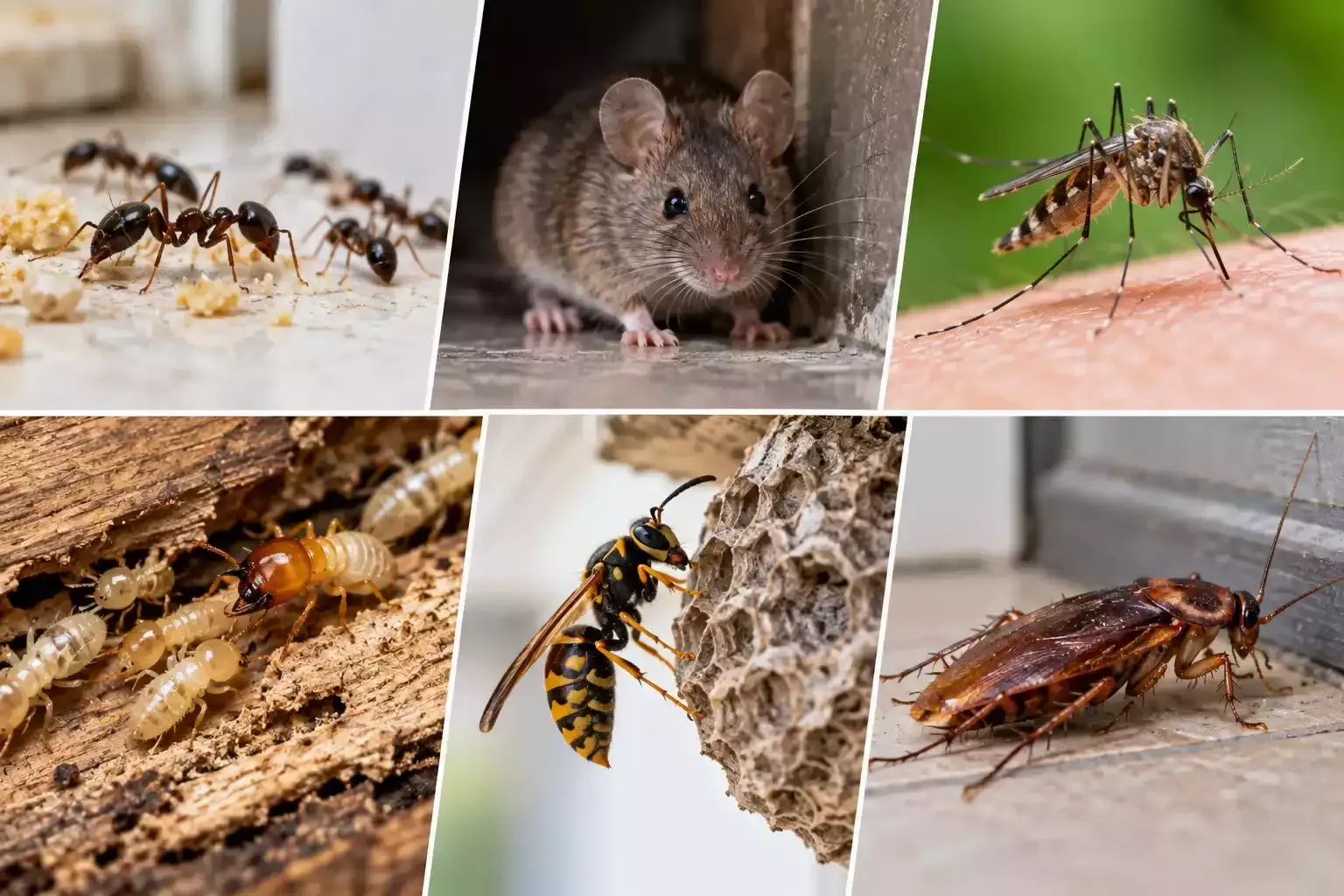
Learn about common pests in Columbus, including ants, rodents, mosquitoes, termites, stinging insects, and bed bugs, plus signs of pest activity.

Found a strange bug, droppings, or other signs of pests? Learn how pest identification can help you determine what it is and what to do next.
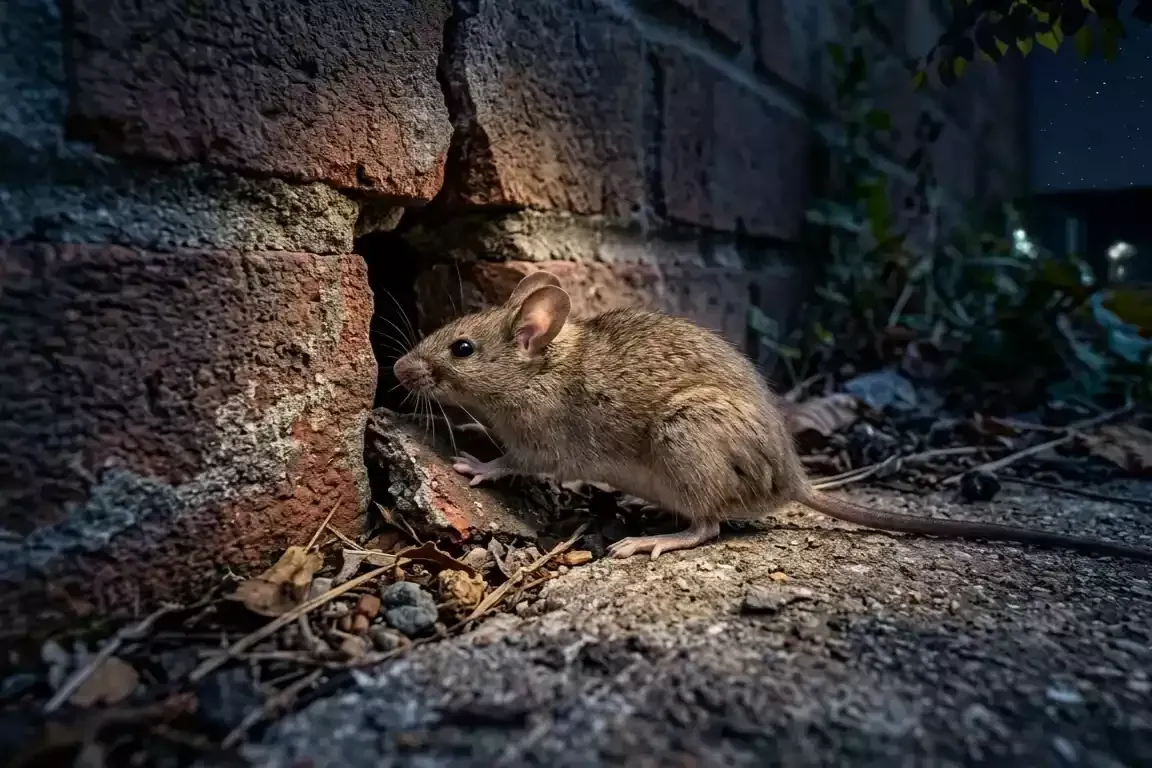
Learn why mice enter homes in the fall, how to spot an infestation, and when to call professionals for reliable mouse control.
Learn which summer pests are most active in Ohio and how to protect your home, yard, and family from seasonal infestations.
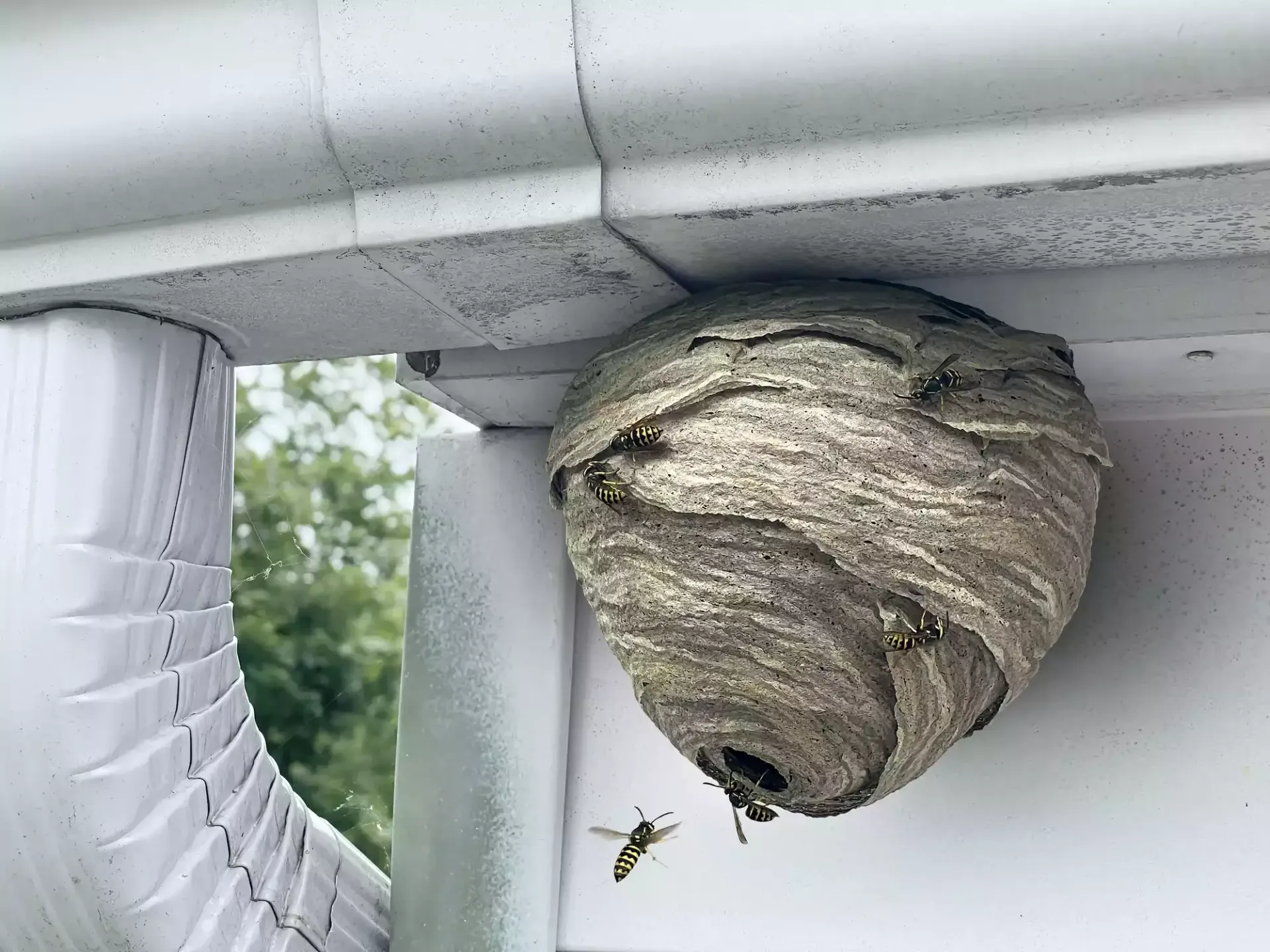
Learn where wasps commonly build nests around Ohio homes and when to call a professional wasp exterminator.
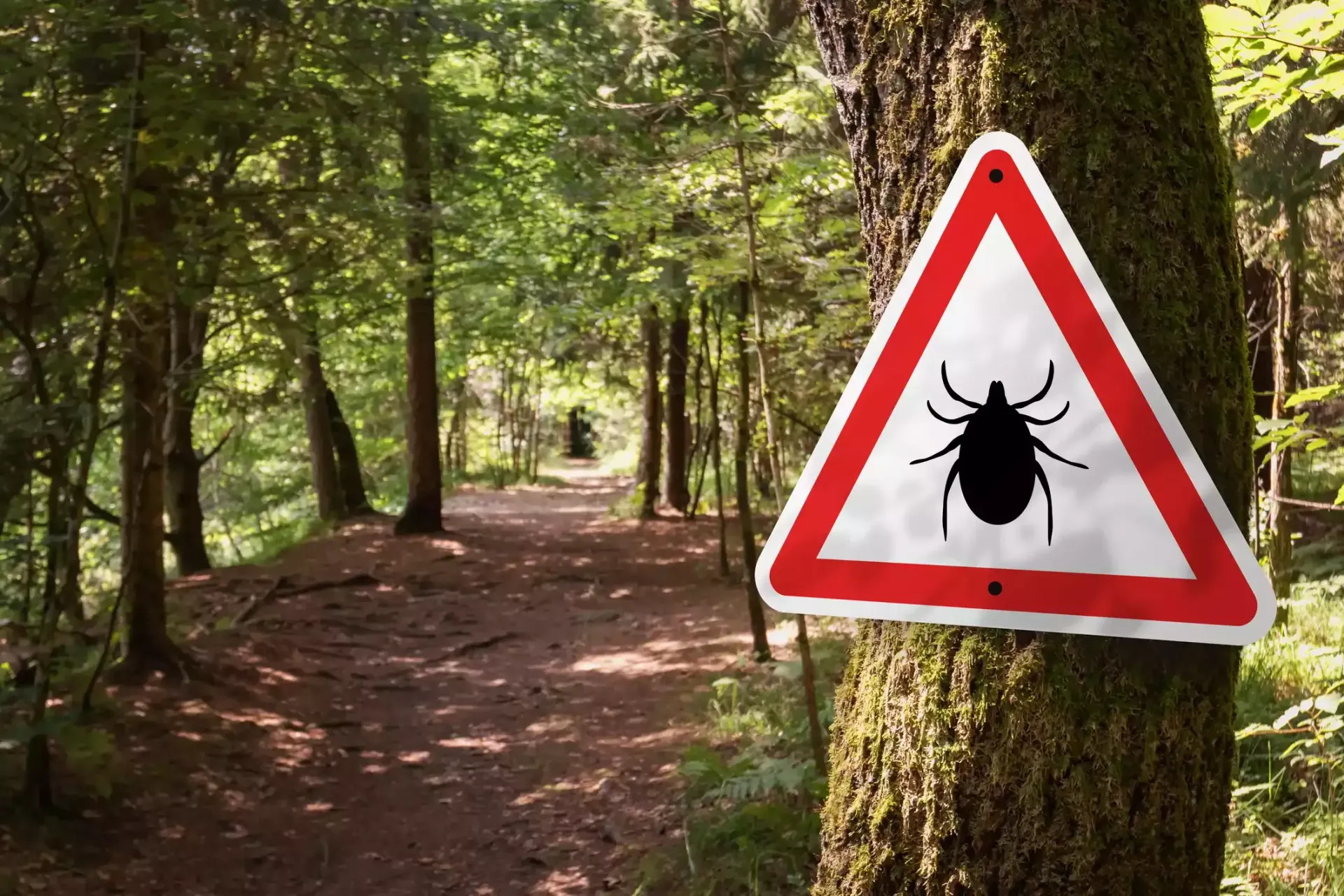
For homeowners and outdoor enthusiasts alike, understanding how to reduce tick encounters is essential to staying healthy throughout the warmer months.
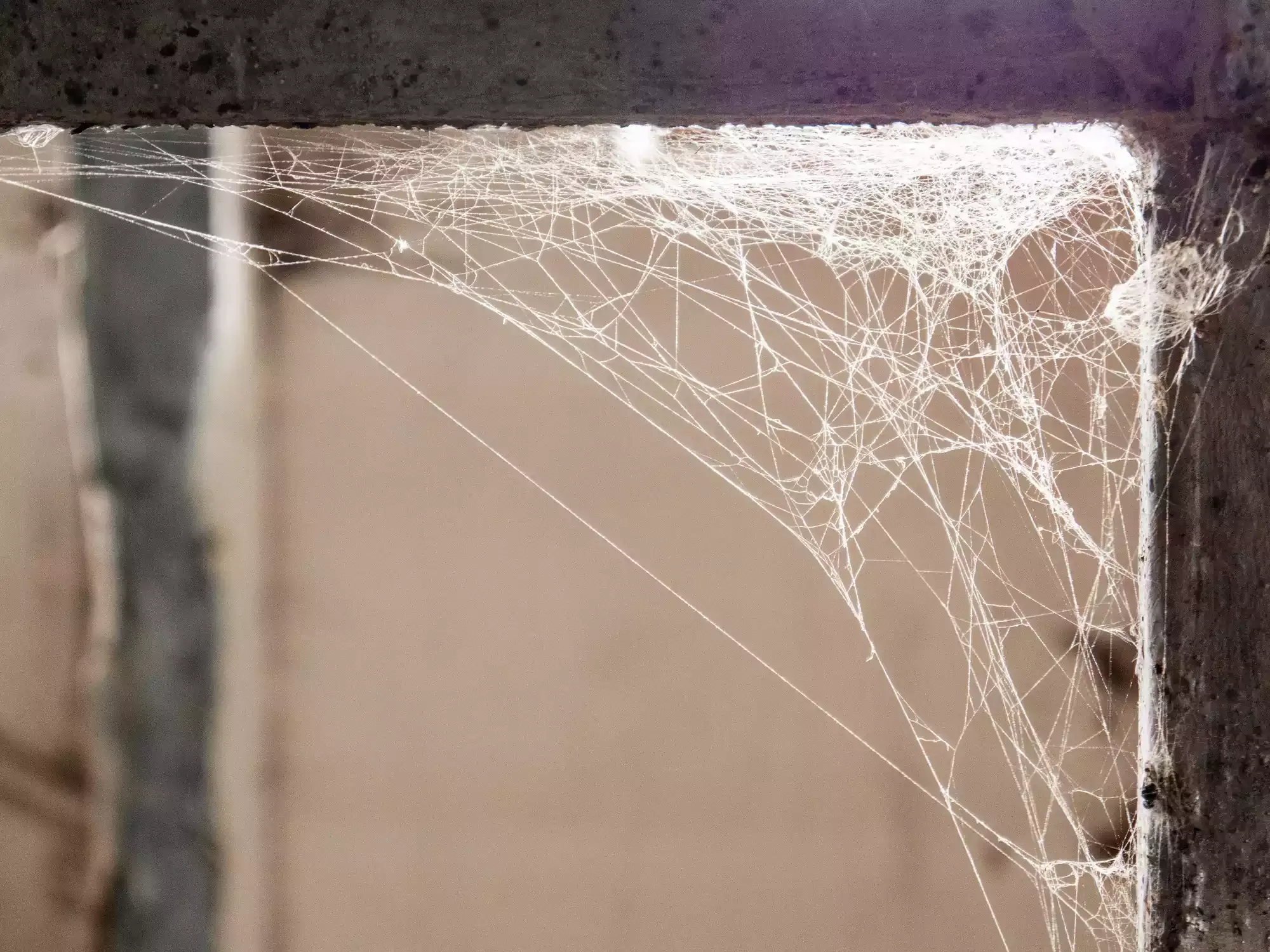
Spider webs don’t have to be a constant nuisance with consistent removal, smart prevention strategies, and support from a trusted pest control provider.
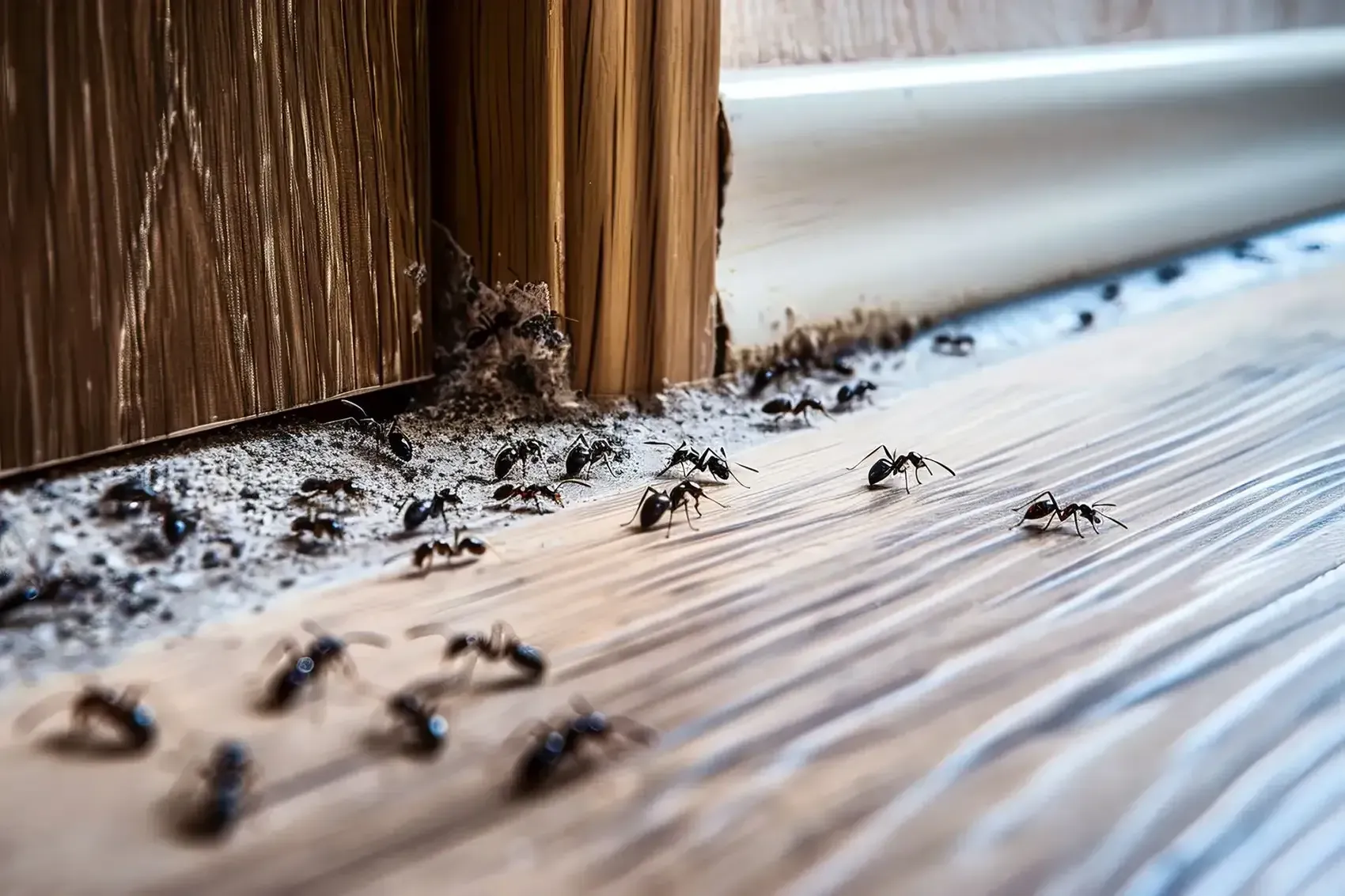
Learn how to get rid of carpenter ants, identify infestations, prevent wood damage, and know when to call a professional exterminator.
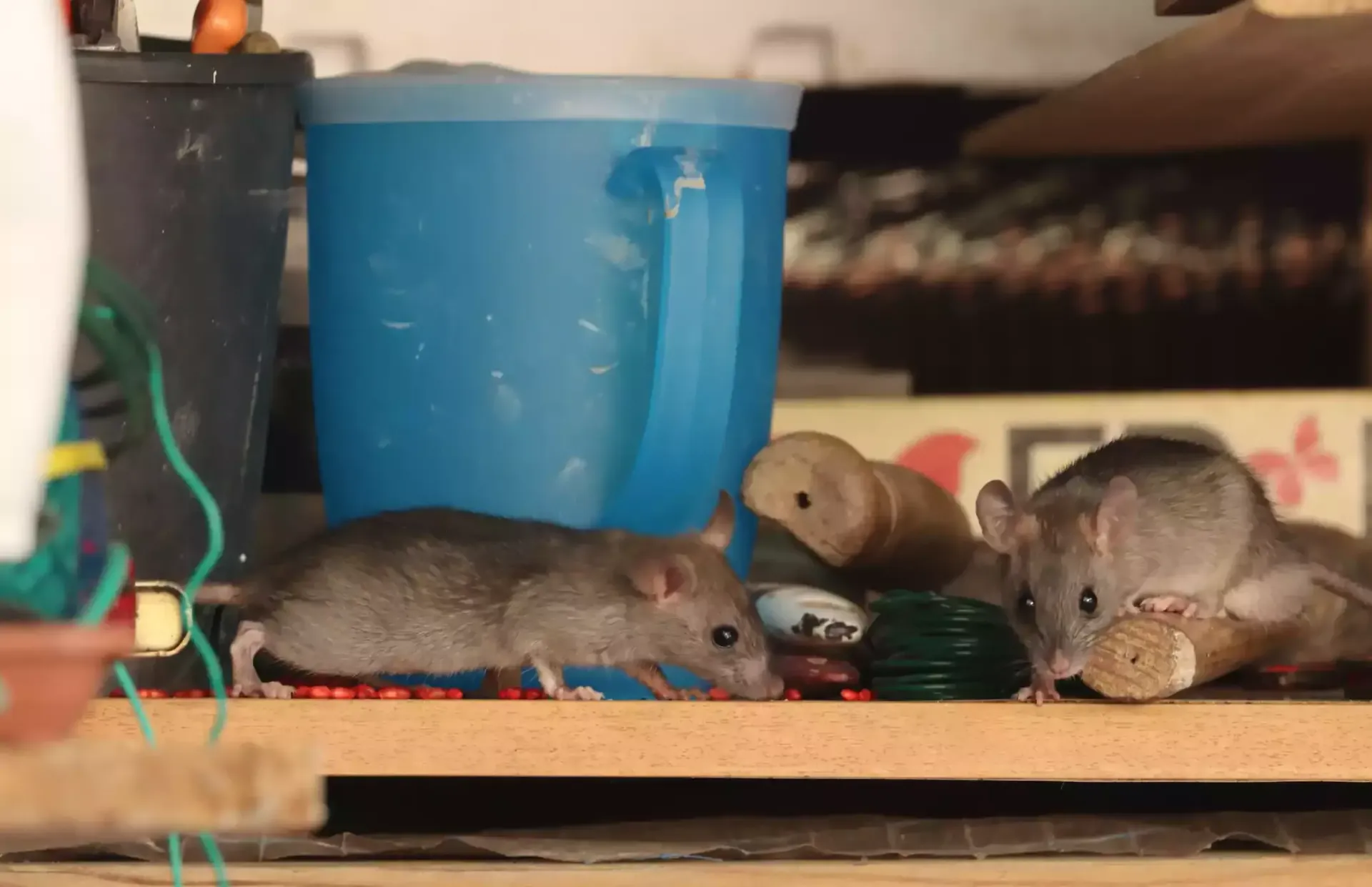
Relying on mice repellent spray can delay proper treatment, giving mice time to reproduce and cause damage, contaminate food, and spread bacteria.
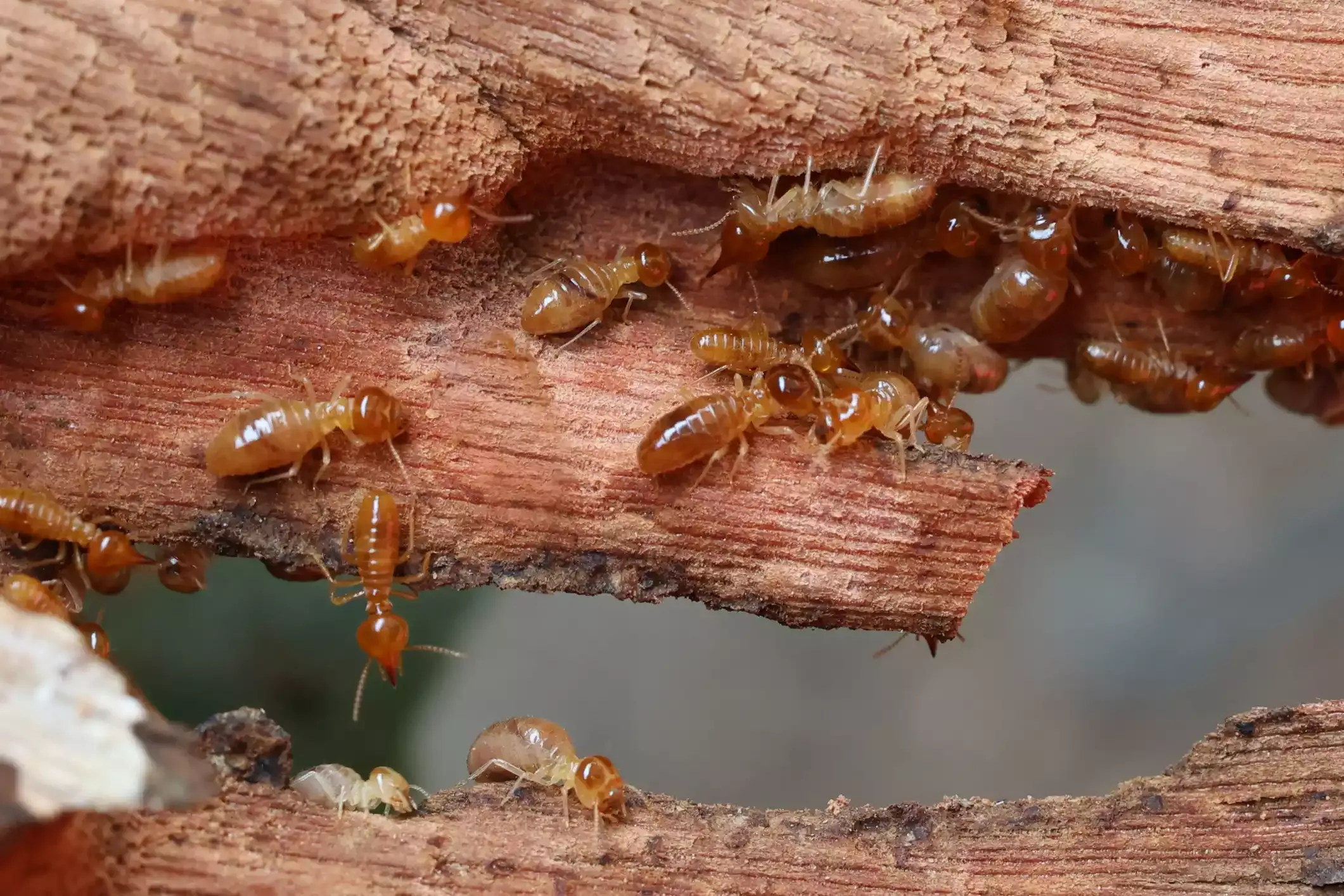
Winter is the perfect time to schedule a seasonal termite check. Protect your home, your investment, and your peace of mind with a professional inspection.