How to Avoid Tick-Borne Diseases This Year
As temperatures rise and outdoor activity picks up, so does the risk of tick exposure. These tiny parasites are more than just a nuisance. They can transmit a range of serious illnesses that affect both people and pets.
For homeowners and outdoor enthusiasts alike, understanding how to reduce tick encounters is essential to staying healthy throughout the warmer months. Here are some tips to keep you safe throughout tick season from the experts at Restoration Pest Management, your source for pest control in Columbus.
Why Tick-Borne Diseases Are a Growing Concern
Ticks thrive in warm, humid environments and are commonly found in wooded areas, tall grasses, and even residential backyards. Over the past decade, the number of reported tick-borne illnesses has increased significantly across the United States, with Lyme disease being the most widely recognized. Other illnesses, such as anaplasmosis, ehrlichiosis, and Rocky Mountain spotted fever, are also on the rise.
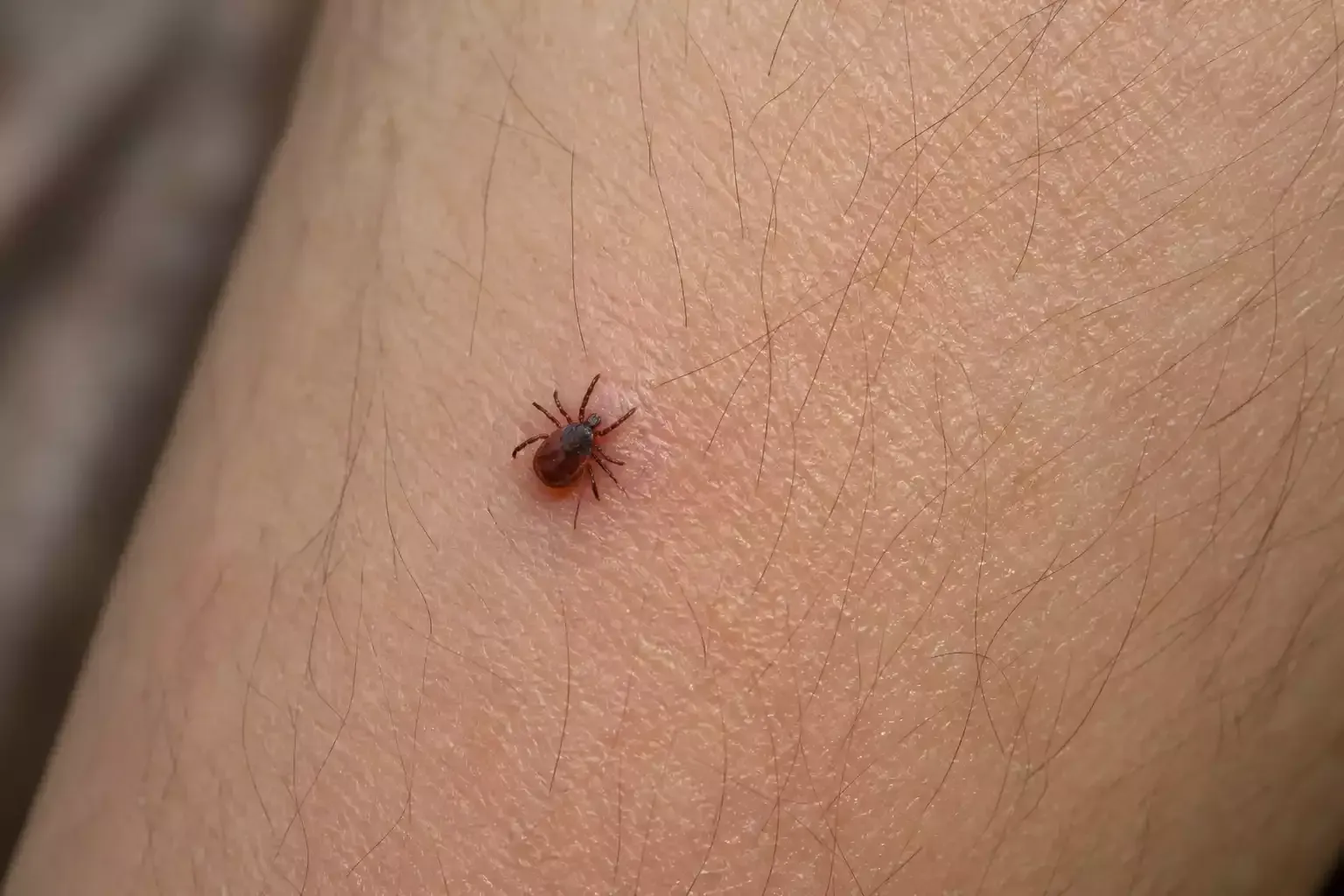
Part of the challenge is that ticks are incredibly small. These pests are often no larger than a sesame seed, and their bites are usually painless. This makes them difficult to detect before they have the opportunity to transmit pathogens.
Where Ticks Hide Around Your Property
Many homeowners assume ticks are only a concern in remote or heavily wooded areas, but they can easily establish themselves in suburban and even urban settings. Common tick habitats include:
- Overgrown lawns and unmaintained landscaping
- Leaf litter and brush piles
- The edges of wooded areas or tree lines
- Shaded, moist environments
- Areas frequented by wildlife such as deer, raccoons, and rodents
Reducing these favorable conditions is a key first step in controlling tick populations around your home.
Practical Ways to Prevent Tick Exposure
Taking a proactive approach can significantly lower your risk of tick bites and the diseases they carry. Small, routine habits combined with smart property maintenance can dramatically reduce the likelihood of ticks establishing themselves in your environment or attaching to you, your family, or your pets.
Maintain Your Yard
Keep grass trimmed short and remove leaf litter, brush, and debris where ticks can hide. Ticks thrive in moist, shaded environments, so improving sunlight exposure and airflow can make your yard less hospitable. Creating a barrier of wood chips or gravel between lawns and wooded areas can help limit tick migration into recreational spaces. It’s also wise to keep play areas, patios, and seating zones positioned away from dense vegetation to reduce the chance of contact.
Dress for Protection
When spending time outdoors, wear long sleeves, long pants, and closed-toe shoes to minimize exposed skin. Light-colored clothing makes it easier to spot ticks before they attach, giving you a better chance to remove them quickly. Tucking pants into socks and shirts into waistbands creates a physical barrier that makes it more difficult for ticks to reach your skin. For those frequently in wooded or grassy environments, investing in purpose-built outdoor clothing can provide additional protection.
Perform Routine Tick Checks
After being outdoors, thoroughly check your body, clothing, and pets for ticks. Early detection is critical, as most tick-borne diseases require prolonged attachment before transmission occurs. Pay close attention to areas such as the scalp, behind the ears, under the arms, around the waist, behind the knees, and along the hairline. Using a mirror or asking for assistance can help ensure a more thorough inspection.
Shower After Outdoor Activity
Showering within two hours of coming indoors can help wash away unattached ticks and provides an opportunity to conduct a more thorough inspection. This simple habit not only improves hygiene but also serves as a second line of defense against ticks that may have gone unnoticed immediately after outdoor exposure.
Protecting Pets from Tick Exposure
Pets are especially vulnerable to ticks and can easily carry them into your home, increasing the risk of exposure for everyone inside. Use veterinarian-recommended tick prevention treatments, such as topical solutions, oral medications, or tick collars, to provide consistent protection. Regularly inspect your pets, particularly after they have been outside in grassy or wooded areas, focusing on areas like the ears, neck, underbelly, and between the toes. Keeping your pets well-groomed can also make ticks easier to spot and remove before they become a problem.
When to Call a Professional
If you’re noticing an increase in tick activity around your property, professional pest control services like Restoration Pest Management can provide targeted treatments that significantly reduce tick populations. A trained technician can assess your property, identify high-risk areas, and implement a customized treatment plan designed to create a safer outdoor environment.
Stay Ahead of Tick Season
Preventing tick-borne diseases starts with awareness and consistent action. By maintaining your yard, protecting yourself during outdoor activities, and addressing tick problems early, you can enjoy the outdoors with greater peace of mind this season.
If you’re ready to take the next step in protecting your home and family, Restoration Pest Management offers expert pest control services tailored to your property’s unique needs. Contact our team today to learn more.