What Is Integrated Pest Management
September 20, 2019
Pest Control That Works
Integrated Pest Management (IPM)
originated following World War II as a coordinated and scientific approach to management and control of agricultural pests. IPM has been developed further over the years to promote scientifically proven and eco-friendly pest control methods in many other environments. IPM provides a logical and structured approach to pest control for all residential and commercial buildings as well as lawns and gardens.
IPM is an ongoing process whereby pests are studied and analyzed in a given environment to determine the least hazardous method available to eliminate the subject pest and prevent damage.
There are four necessary steps
involved in implementing IPM: (1.) Identify the species of pest invading the subject environment and determine where the pests are coming from; (2.) Identify the food, water, and shelter in the subject environment the pests are using; (3.) Assess whether traps or non-toxic methods along with other control methods would be sufficient; and (4.) Monitor and assess ongoing pest control methods.
IPM goes far beyond merely killing pests that in an environment with pesticides that might not be necessary for the situation (or might make things worse). IPM focuses on prevention and exclusion in addition to merely poisoning existing pests. Through careful study of the environmental factors present in a treatment area, along with scientific approaches to the structural exclusion of pests, IPM provides efficient strategies for elimination of pest more permanently.
IPM methodology also calls for proper pest identification and knowledge of the characteristics and behaviors of varying pest species, and that is the key to the entire IPM process. Our education and experience allow for the correct identification and understanding of the problem pest in your environment.
Once a pest is identified, proper control techniques
can be evaluated. An integrated approach using the best combination of control methods provides for more efficient pest control. The different types of control methodologies include biological, cultural, mechanical, and chemical controls.
Biological control includes the use of a pest’s natural predators to control a given pest. A given pest may have natural predators that offer protection in an environment. Controlling or eliminating a pest’s preferred food source is another type of biological control.
Cultural controls are intended to reduce a pest’s ability to reproduce and establish populations. These control methods include water maintenance and soil treatments. The general idea is to look for ways to make an environment unfriendly to the subject pest, which usually means making the environment better for people and for the animals and plants that need to be protected.
Mechanical controls either kill pests or exclude pests from an environment by preventing their entry. Mechanical controls include traps of all types to capture or kill pests. These types of mechanical devices can be useful in properly understanding precisely what kind of pests are present. Mechanical controls also include the use of physical barriers to prevent entry into a given environment by pests.
Chemical controls involve the use of proper pesticides. IPM practices are designed to minimize the use of chemical controls to protect humans, animals, and plants that are not the target of the pest control process. IPM calls for the use of the most effective pesticide that can be used minimally and in ways that are safe and have the least impact on the environment.
A key component of IPM is thorough and effective environmental monitoring after control methods have been implemented. Continual feedback and analysis allow for any modifications to the control methods used to address any pest problem properly. IPM is designed to be used as an ongoing process of monitoring a controlled environment to treat changing conditions.
Use of IPM reduces and excludes pests, reduces the necessity of pesticide applications, and saves money for home and business owners, all while protecting the home or business environment and its inhabitants. Reduced pesticide application means less allergic reactions or adverse health reactions for your family and pets at home, or your employees and customers at your business. Implementation of IPM saves money in the long term, as exclusion and control methods prevent future pest infestation.
At Restoration Pest Management, we use modern IPM methods to assess your particular situation accurately and advise you on the best available pest control methods available. Our approach is designed to logically and safely protect your home or business most effectively. Call us today for an inspection and assessment of your property’s pest control needs.
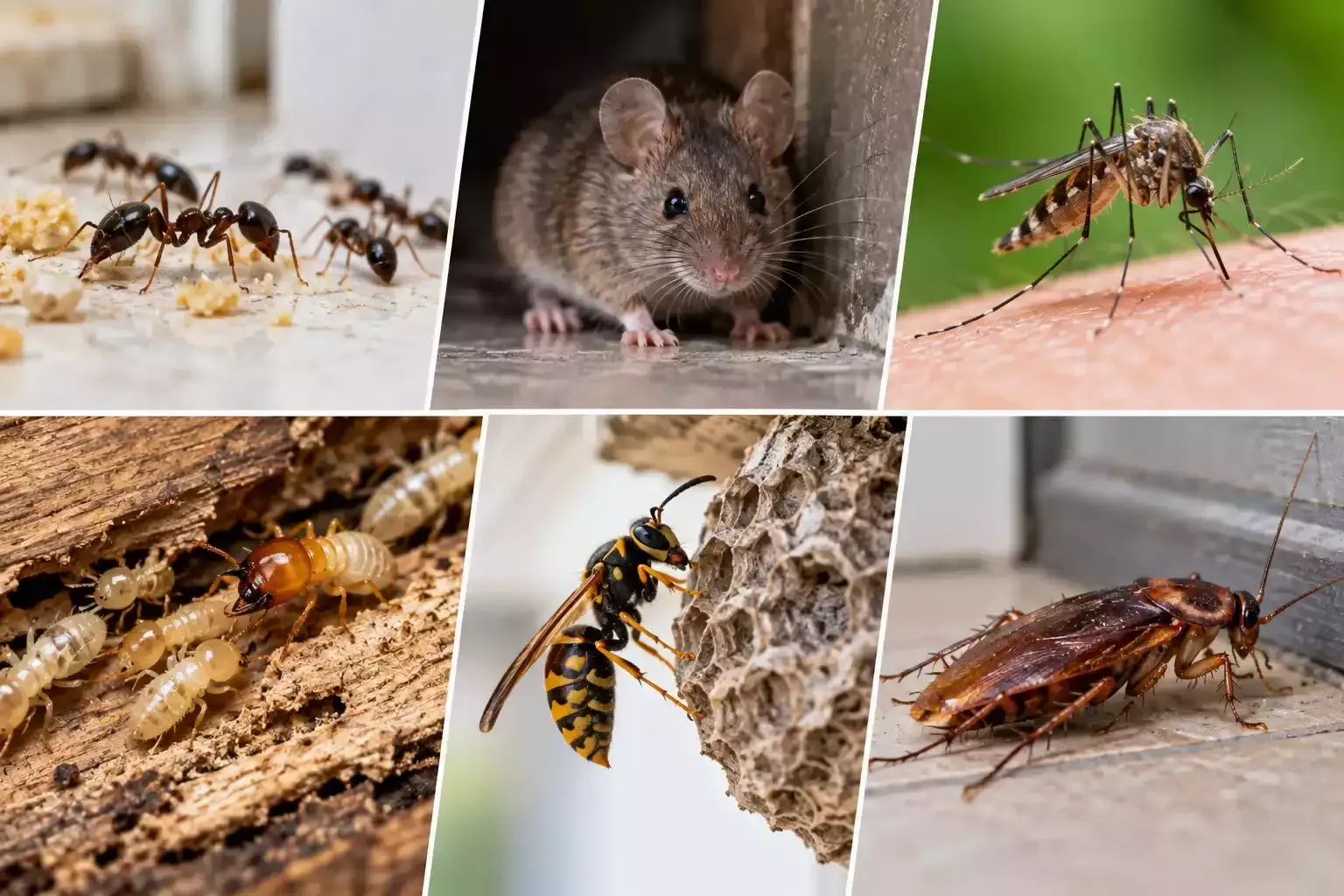
Learn about common pests in Columbus, including ants, rodents, mosquitoes, termites, stinging insects, and bed bugs, plus signs of pest activity.
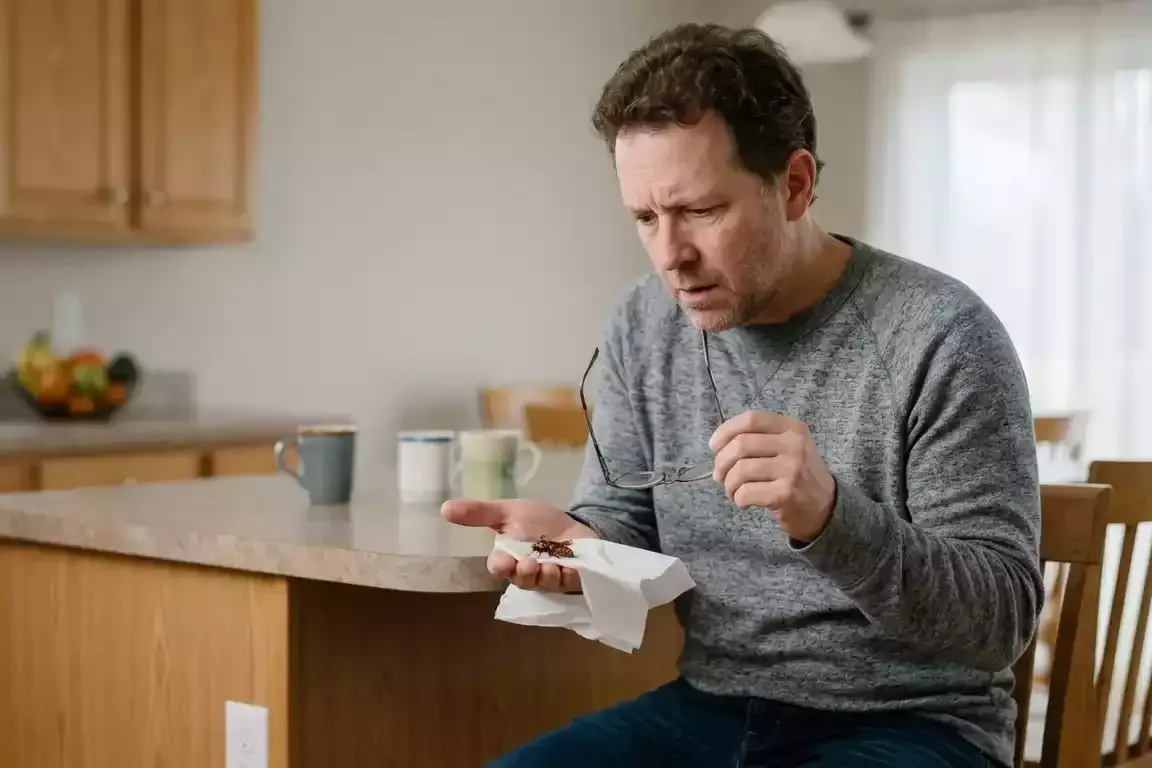
Found a strange bug, droppings, or other signs of pests? Learn how pest identification can help you determine what it is and what to do next.
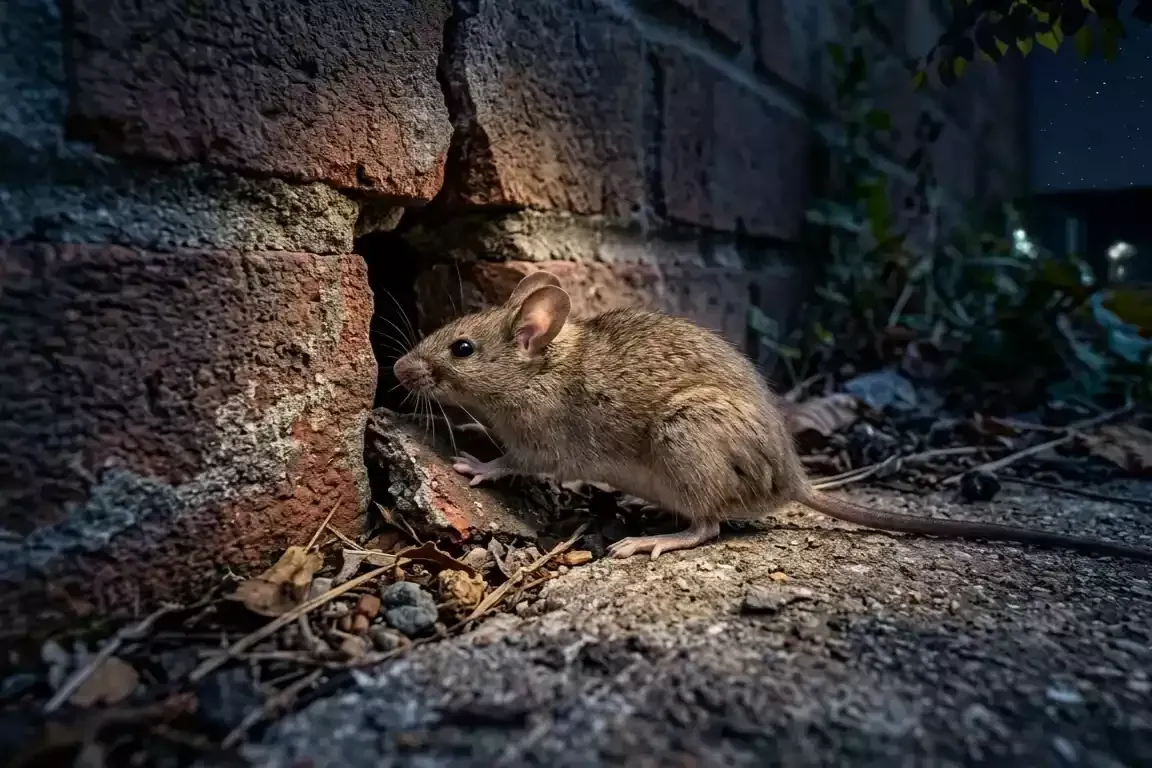
Learn why mice enter homes in the fall, how to spot an infestation, and when to call professionals for reliable mouse control.
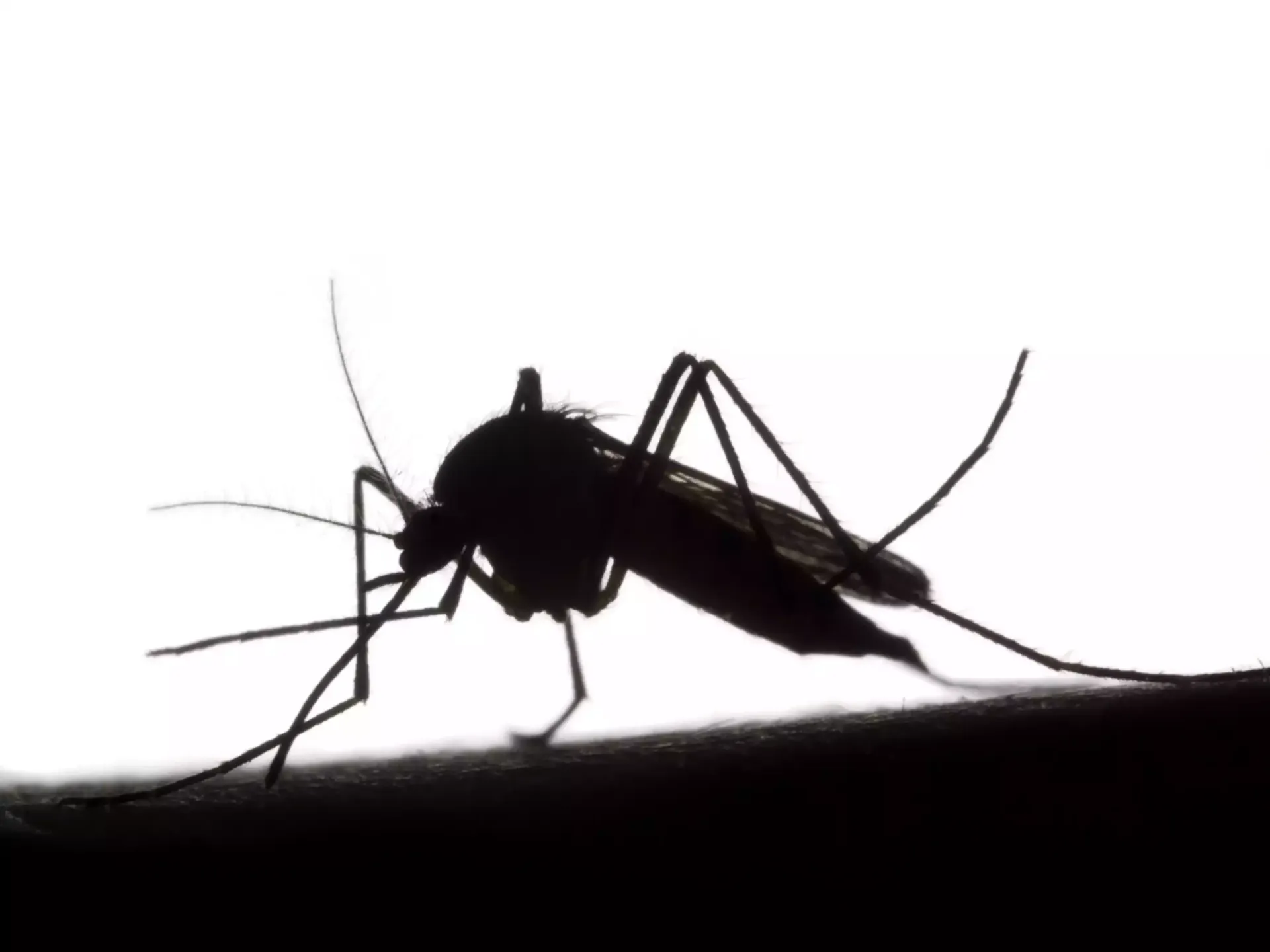
Learn which summer pests are most active in Ohio and how to protect your home, yard, and family from seasonal infestations.
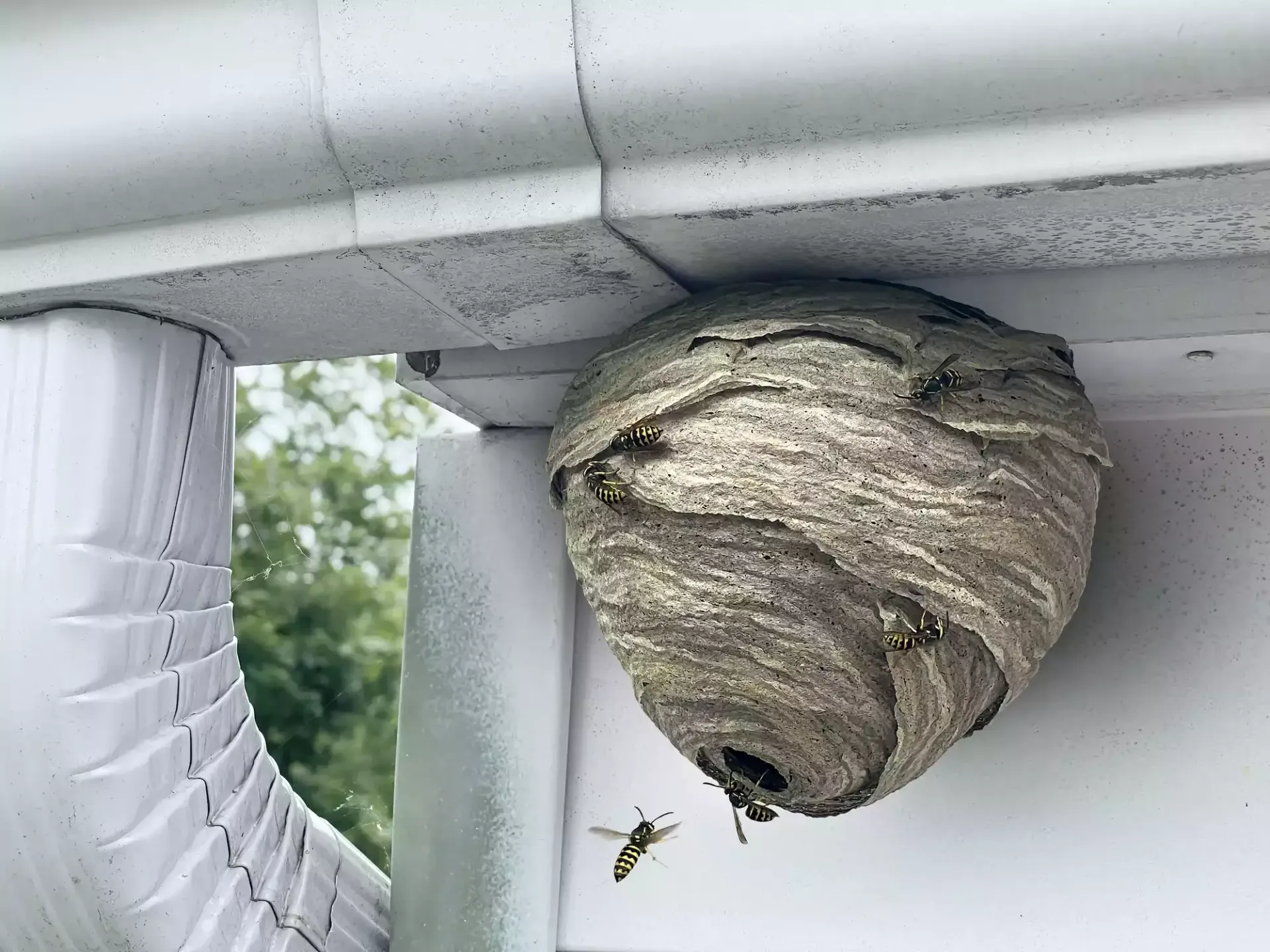
Learn where wasps commonly build nests around Ohio homes and when to call a professional wasp exterminator.
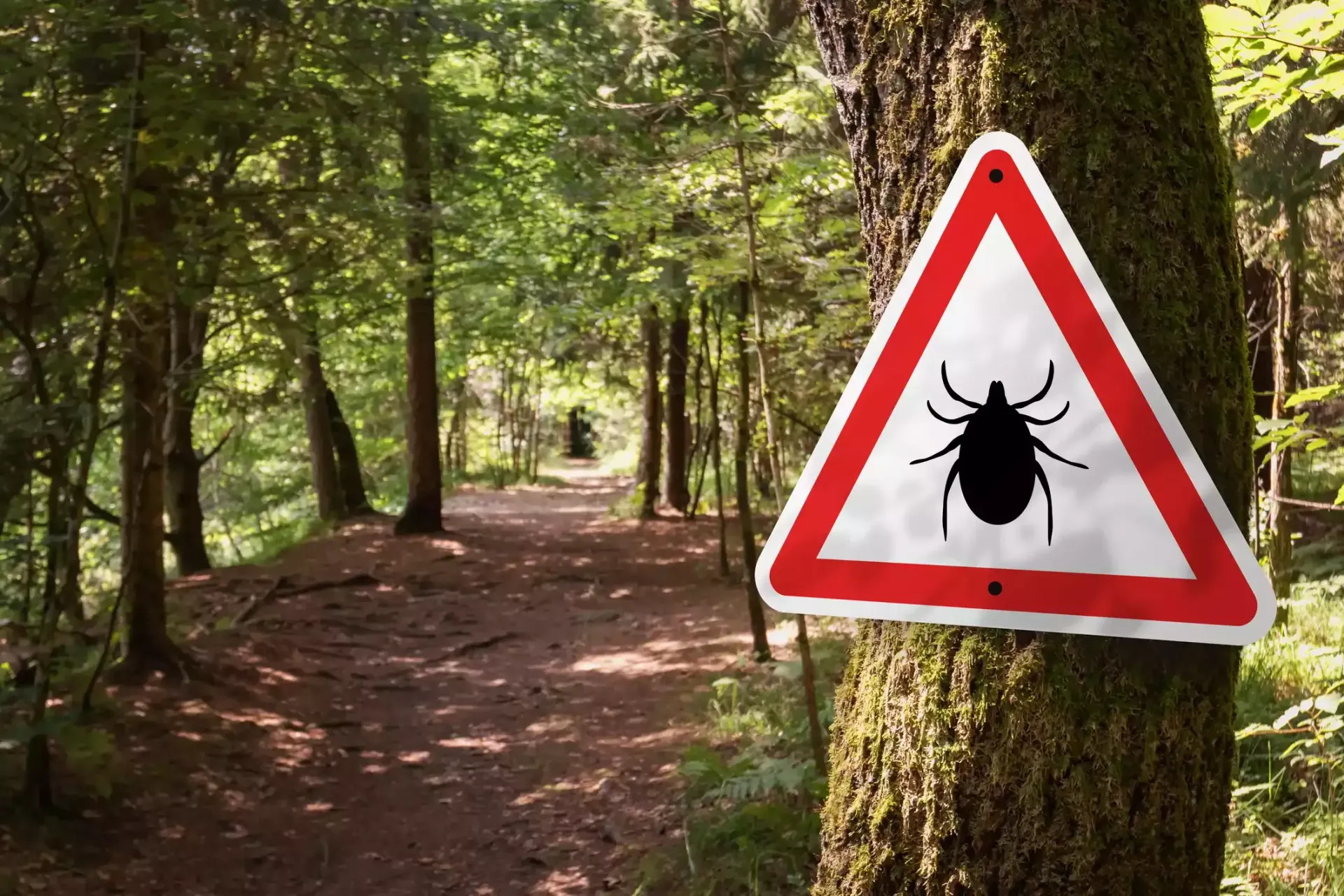
For homeowners and outdoor enthusiasts alike, understanding how to reduce tick encounters is essential to staying healthy throughout the warmer months.
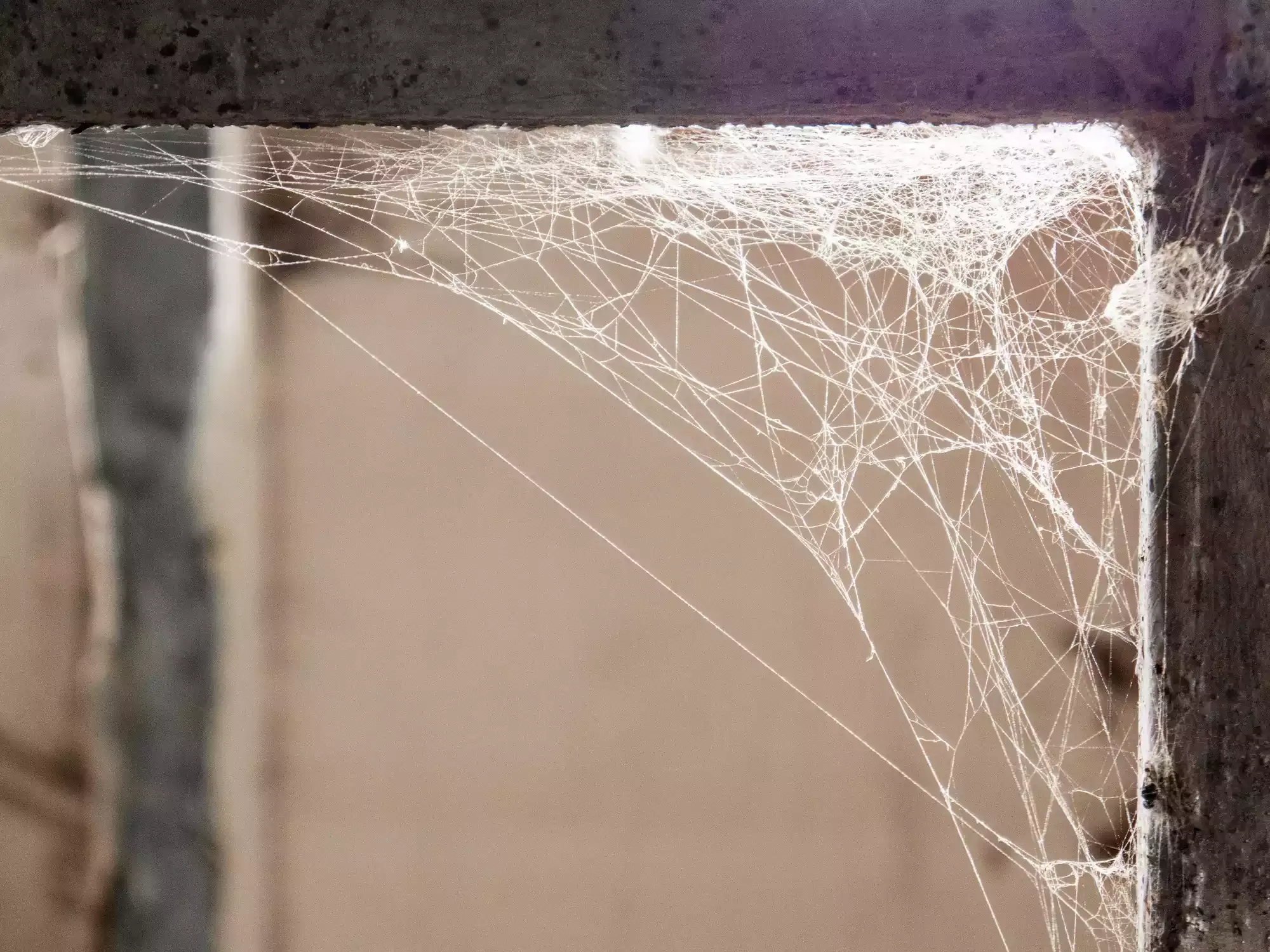
Spider webs don’t have to be a constant nuisance with consistent removal, smart prevention strategies, and support from a trusted pest control provider.
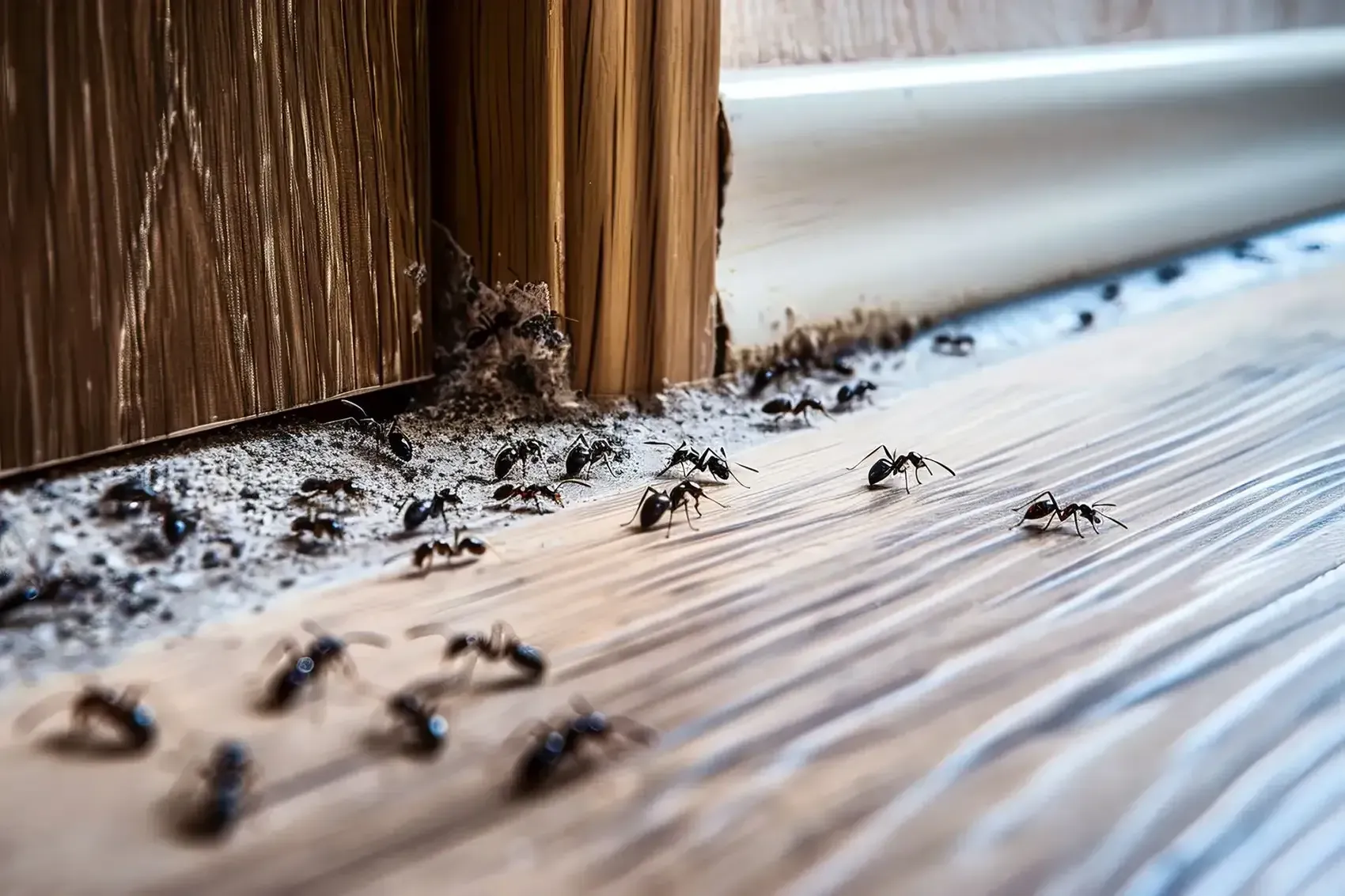
Learn how to get rid of carpenter ants, identify infestations, prevent wood damage, and know when to call a professional exterminator.
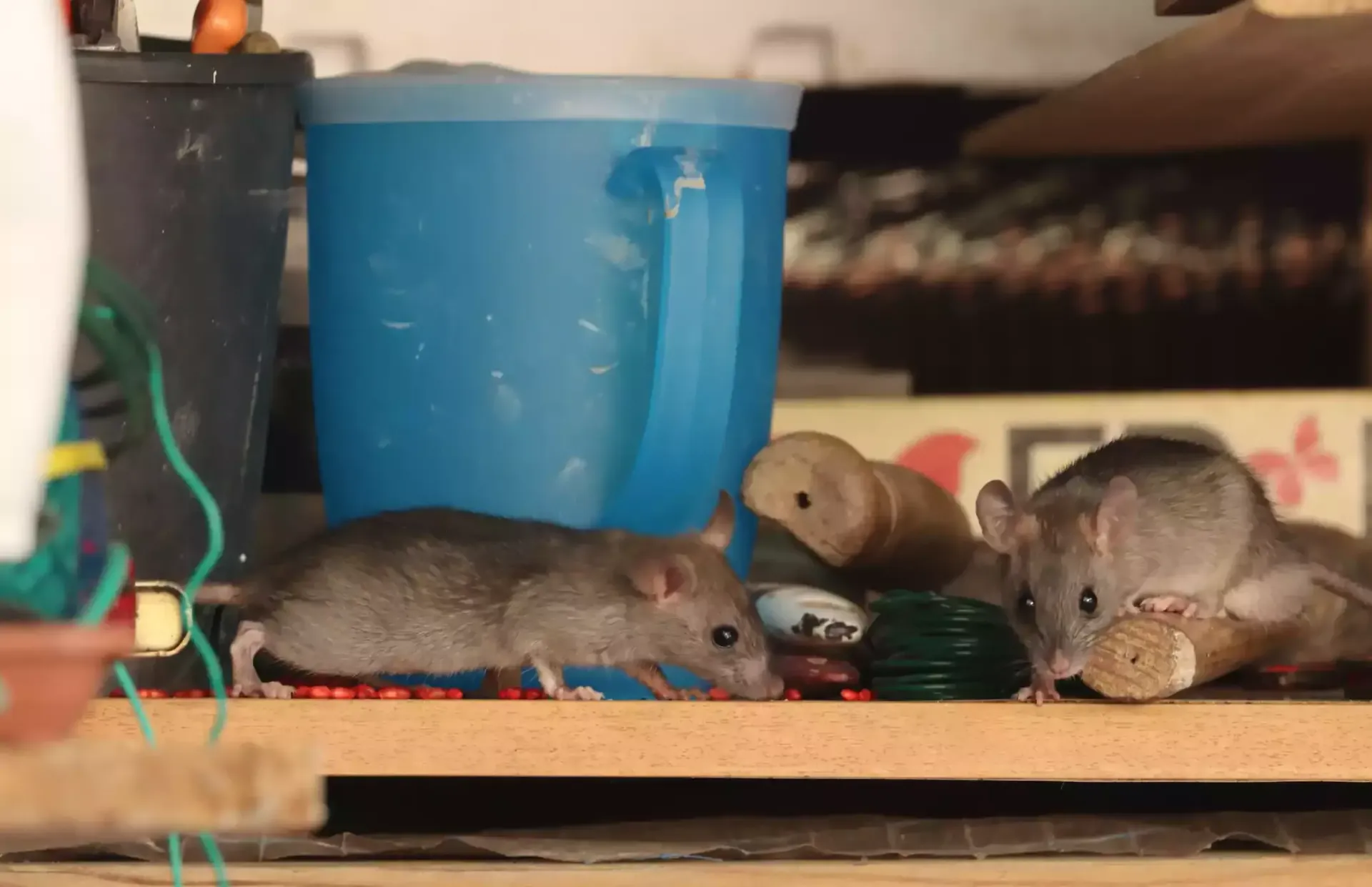
Relying on mice repellent spray can delay proper treatment, giving mice time to reproduce and cause damage, contaminate food, and spread bacteria.
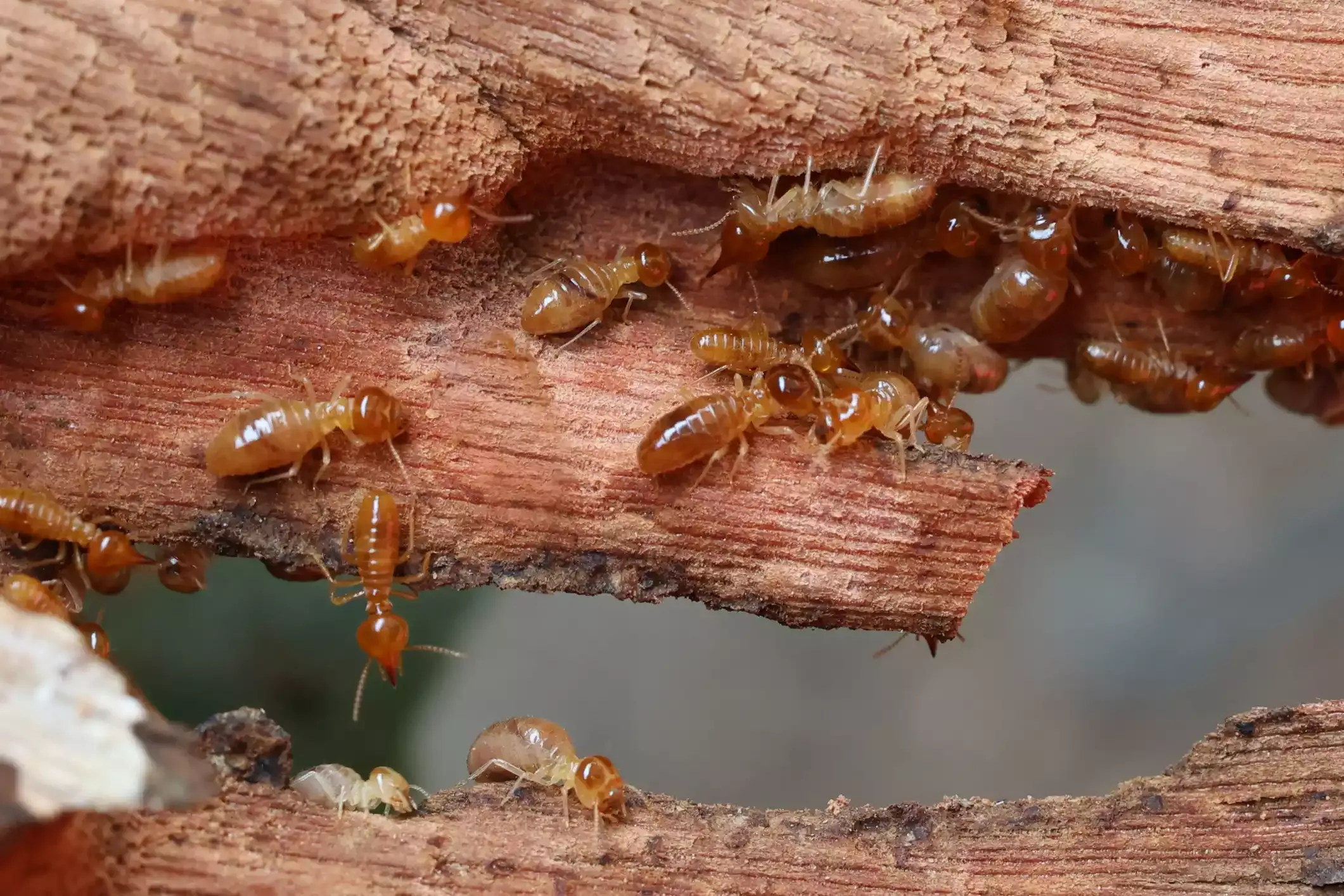
Winter is the perfect time to schedule a seasonal termite check. Protect your home, your investment, and your peace of mind with a professional inspection.