Does Mice Repellent Work? What Homeowners Should Know
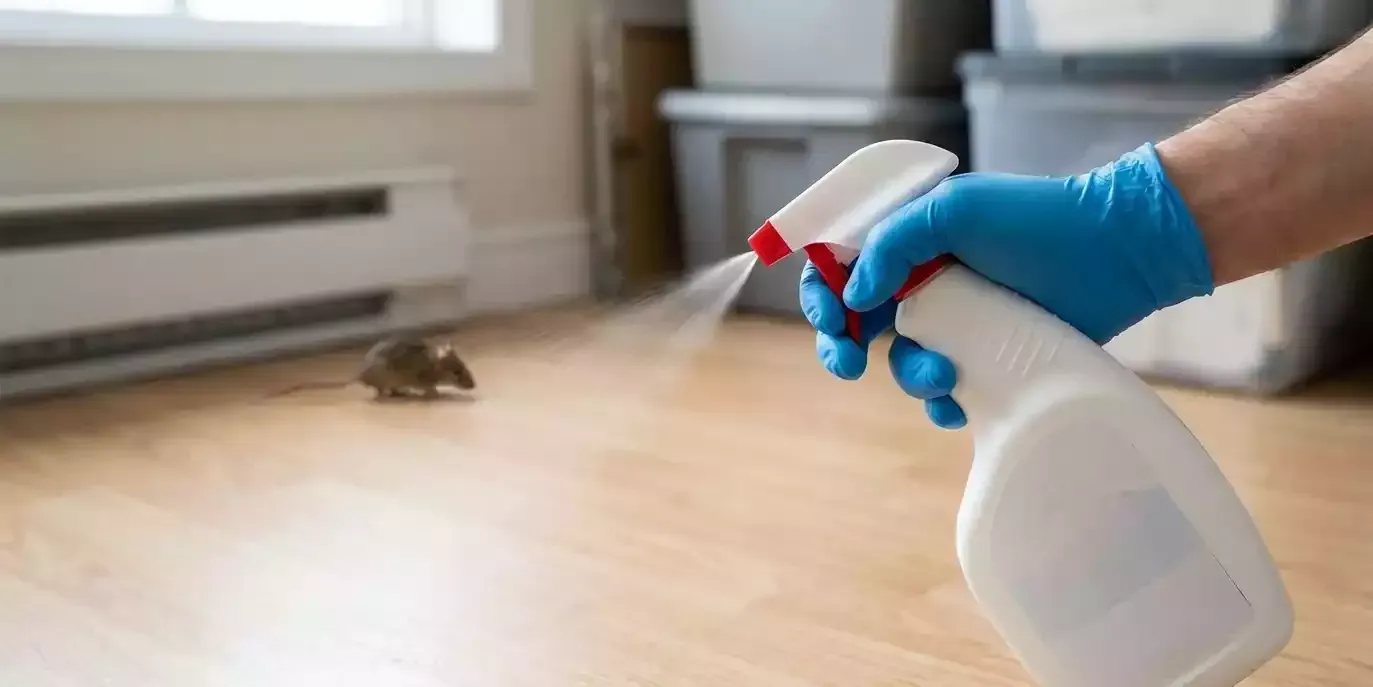
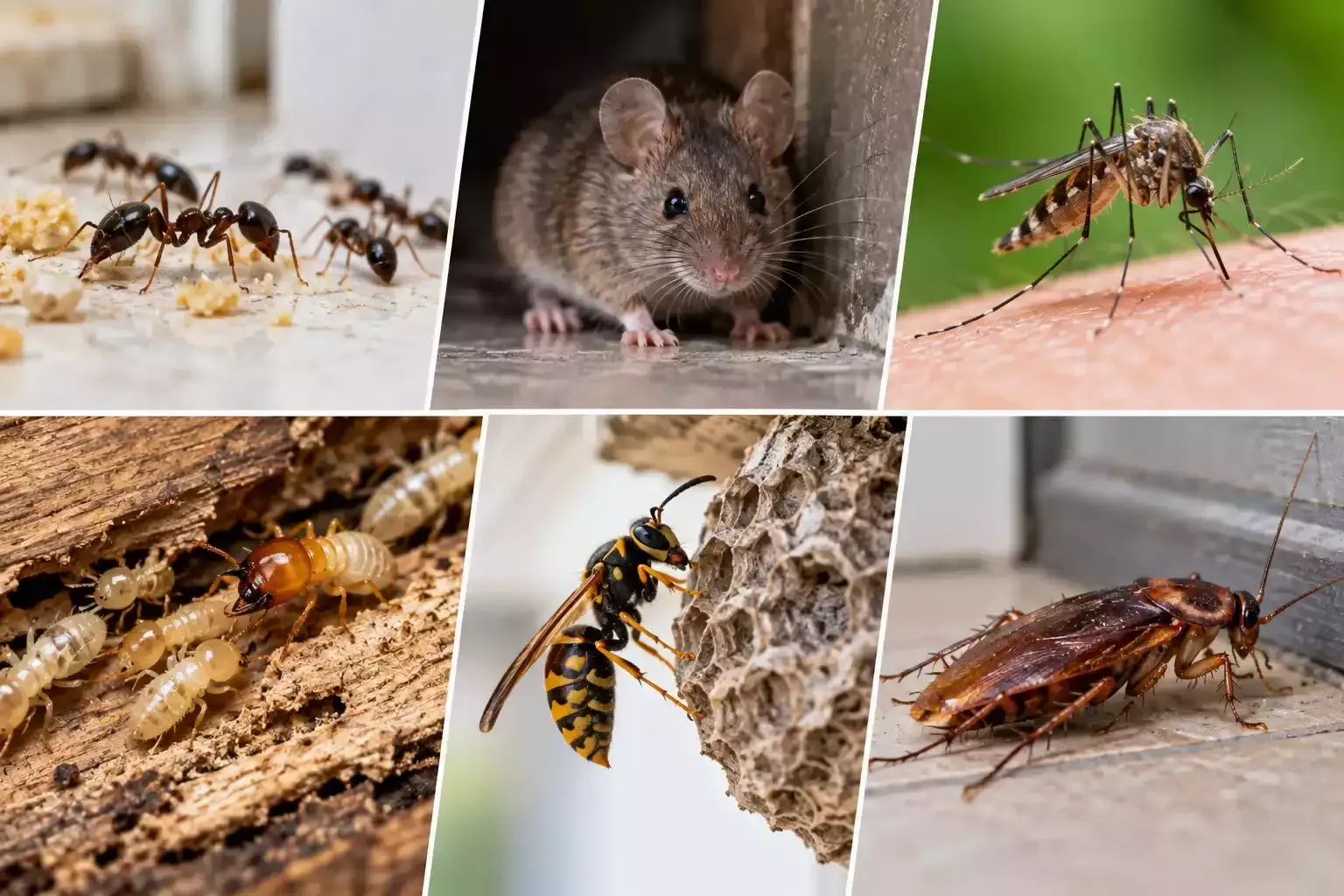
If you’ve heard scratching in the walls or found droppings in a cabinet, your first instinct might be to grab a bottle of mice repellent spray and hope for a quick fix. Hardware stores and online retailers are full of products promising to drive rodents away with strong scents like peppermint or household cleaners such as Pine Sol.
But does mice repellent actually work? The short answer: not if you already have an infestation, and not as a long-term solution.
As a leading exterminator in Columbus, Restoration Pest Management delivers safe and effective solutions for rodent infestations in the home. Here’s what you should know before relying on mice spray alone.
Do Peppermint and Pine Sol Repel Mice?
There is limited scientific evidence that peppermint oil or Pine Sol can function as reliable, long-term mice repellent solutions inside occupied homes.
While strong odors may temporarily deter rodents from a specific surface, mice will often adapt to smells, especially when food and warmth are available. In some cases, homeowners unknowingly mask the scent trails mice use to navigate, but this does not eliminate the underlying problem.
In short, peppermint and Pine Sol may smell clean and fresh to you. To a mouse facing winter conditions, they are a minor inconvenience.
How Mice Repellent Is Supposed to Work
Most over-the-counter mice repellent products rely on smell. Mice have a highly developed sense of smell, and certain strong odors like peppermint oil are marketed as natural deterrents. Some homeowners also attempt DIY solutions, soaking cotton balls in peppermint oil or spraying Pine Sol around entry points.
The idea is simple: overwhelm a mouse’s senses and make the area uncomfortable enough that it leaves.
In theory, strong scents may discourage exploratory activity in small, contained areas. In practice, however, the results are inconsistent and temporary.
Why Mice Spray Doesn’t Solve an Infestation
If mice have already established a nest in your home, scent-based repellents are unlikely to drive them out. Here’s why:
1. Survival Overrides Discomfort
Mice are motivated by three primary needs: food, water, and shelter. If your home provides these essentials, a peppermint or Pine Sol odor will not be enough to make them abandon a secure nesting site. This is especially true in colder months.
2. Scents Fade Quickly
Mice repellent sprays must be reapplied frequently. Peppermint oil evaporates, and cleaning products like Pine Sol lose potency as they dry. The limited deterrent effect of these products can diminish significantly within days, or even hours.
3. Repellents Don’t Address Entry Points
Even if a mice spray temporarily pushes rodents away from one area, it does nothing to seal cracks, gaps, or utility penetrations that allow them inside. Without exclusion work, new mice can continue entering your home. However, even with extensive exclusion work and addressing entry points, mice only need a ¼” in opening to get through as their cartilage skeletal structure allows them to squeeze through very small spaces. Sealing every gap on your home and preventing ventilation can lead to other types of health and structural issues.
4. Infestations Multiply Fast
A single pair of mice can produce dozens of offspring in a matter of months. By the time you notice activity, there may already be multiple nesting sites. Repellents do not remove existing mice, eliminate nests, or reduce the population.
What Actually Works Against Mice
Effective rodent control requires a comprehensive approach:
- Inspection: Identifying where mice are tracking through the home evidenced by fecal matter, insulation tunneling, location of rhythmic scratching/scurrying, and chew marks is critical.
- Exclusion: Recognizing significant gaps and general maintenance requirements around the residence, such as openings in utility line penetrations, foundation cracks, door sweeps, and attic vents, can be beneficial if mice are utilizing these as entry points. However, it is not feasible to seal the house sufficiently to prevent a mouse from gaining access.
- Population Reduction: Strategic and safe baiting methods in areas where mice are present including, attic, crawlspace, basement and living areas with a second-generation bait, where one feeding will impact life processes and reproductive abilities of the mice.
- Ongoing Monitoring: Follow-up ensures the issue does not return. Completely getting rid of all the mice in nature isn’t feasible, and you’ll always find rodents near your home. It is crucial to maintain exterior baiting and ensure the stations are stocked, providing mice with a food source before they enter your home, which is essential to prevent a return of the infestation.
This comprehensive method tackles not only the current infestation but also potential future issues.
Get Rid of Mice for Good
Relying solely on mice repellent spray can delay proper treatment, giving mice more time to reproduce and cause damage. Rodents chew wiring, contaminate food, and spread bacteria through droppings and urine. If you suspect mice in your home, it’s best to act quickly.
Restoration Pest Management provides professional inspection, baiting and follow-up services designed to solve the problem at its source, not just mask it with scent. Contact our team today to schedule an evaluation and protect your home from further damage.