How to Safely Remove & Prevent Spider Webs
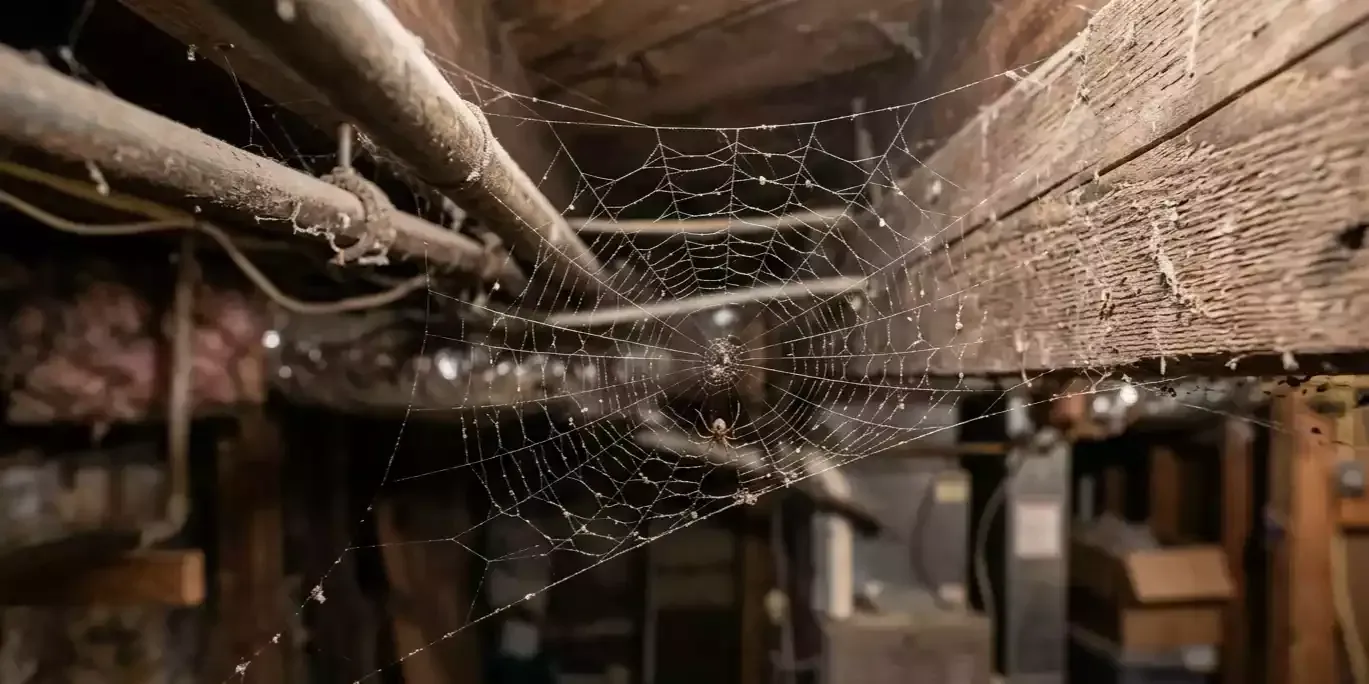
Spider webs are a common sight around homes and businesses, especially during warmer months when insect activity increases. While most spiders are harmless and even beneficial for controlling pests, their webs can quickly make a space feel neglected or unclean. The good news is that removing spider webs and preventing them from returning doesn’t require harsh chemicals or complicated solutions. With the right approach, you can keep your property clean while minimizing future infestations.
Tired of dealing with spider webs around your property? Here’s what to do according to the experts at Restoration Pest Management, your trusted source for pest control in Columbus.
Why Spider Webs Keep Coming Back
Before tackling removal, it’s helpful to understand why spiders choose certain locations. Spiders build webs where they have the best chance of catching prey. That means areas with consistent insect activity, low disturbance, and structural features that make web-building easier.
Common hotspots include:
- Corners of ceilings and walls
- Light fixtures and entryways
- Basements, garages, and attics
- Exterior eaves, siding, and window frames
If webs keep reappearing in the same place, it’s usually a sign that your home is providing a steady food source or ideal shelter conditions.
How to Safely Remove Spider Webs
Removing spiders and their webs is a straightforward process, but doing it properly helps prevent spiders from
rebuilding right away. Taking a more thorough, methodical approach not only improves results in the short term but also disrupts the conditions spiders rely on to reestablish their webs.
1. Use the Right Tools
A long-handled duster, broom, or vacuum with an extension hose allows you to reach high or tight spaces safely without overextending or climbing on unstable surfaces. Microfiber dusters are especially effective at capturing webs without scattering debris, making cleanup faster and more efficient. For exterior areas, consider using a telescoping pole to reach rooflines, soffits, and second-story corners where webs commonly accumulate.
2. Remove Webs Completely
It’s important to remove the entire web, not just the visible strands. Spiders are more likely to rebuild if remnants are left behind, as these can serve as anchor points for new construction. Pay close attention to corners, cracks, and textured surfaces where web fibers may cling. Vacuuming is often the most thorough option, especially indoors, as it removes both webs and any trapped insects that might attract spiders back to the same spot.
3. Dispose of Webs Properly
If you’re using a vacuum, empty the contents promptly to prevent any surviving insects or spiders from escaping back into your home. For manual removal, discard webs in a sealed trash bag and remove it from the property as soon as possible. This step is often overlooked but plays a key role in preventing reinfestation, particularly in enclosed spaces like garages or basements.
4. Wear Protective Gear if Needed
Gloves and long sleeves are recommended when working in basements, attics, crawl spaces, or outdoor areas where you may encounter spiders directly. Eye protection can also be helpful when removing overhead webs. This is especially important if you’re unsure what species may be present or if the area hasn’t been disturbed in a long time.
Preventing Spider Webs from Returning
Eliminating webs is only half the battle. To keep spiders from coming back, you’ll need to make your property less inviting by addressing both shelter and food sources. A proactive strategy will significantly reduce the likelihood of recurring web activity.
Reduce Insect Activity
Since spiders rely on insects for food, reducing other pests is one of the most effective prevention strategies. Keep doors and windows sealed, repair damaged screens, and minimize outdoor lighting that attracts bugs near entry points. Switching to yellow or sodium vapor bulbs outdoors can also help reduce insect attraction without sacrificing visibility.
Declutter and Clean Regularly
Spiders prefer undisturbed areas where they can build webs without interference. Routine cleaning, especially in
storage spaces like garages, basements, and utility rooms, removes hiding spots and discourages web-building. Regularly moving stored items and vacuuming corners ensures spiders don’t have the stable environment they need to settle in.
Use Exterior Maintenance Strategies
Trim vegetation away from your home, keep firewood stored at a distance, and regularly clean eaves, siding, and window frames. These steps reduce the number of places spiders can establish webs close to your structure. Maintaining a clear perimeter around your home also limits the pathways insects use to enter, further reducing spider activity.
When to Call a Professional
If spider webs are persistent or you’re noticing a high volume of spiders indoors, it may be time for professional pest control. Recurring web activity often indicates an underlying pest issue that requires a more comprehensive approach.
Restoration Pest Management provides targeted treatments designed to reduce both spiders and the insects that attract them. By addressing the root cause of the problem, professional services can deliver longer-lasting results and help maintain a cleaner, more comfortable environment.
Spider webs don’t have to be a constant nuisance. With consistent removal, smart prevention strategies, and support from a trusted pest control provider, you can keep your home or business looking its best year-round. If you’re ready for a more effective solution, Restoration Pest Management is here to help with expert service tailored to your property’s needs. Contact us today to learn more.