Why Are We Afraid Of SPIDERS!?
November 1, 2019
And Other Creepy Bugs
The fear of spiders and related insects is one of the most common phobias in western society, ranging from mild disgust to paralyzing terror. Arachnophobia (the extreme fear of spiders and other arachnids), along with snakes and bats, accounts for 40% of all people living with phobia in the United States.
But why are we so afraid of spiders in particular? And why do they frighten us so much more than other, even potentially more dangerous, insects?
The fact is, less than 2% of arachnid species are dangerous. Spiders don’t carry life-threatening diseases like fleas and mosquitoes, which can spread everything from the West Nile Virus to Bubonic Plague, nor do they feed on human blood like ticks or bed bugs.
Yet, folks who will swat a mosquito without a second thought may refuse to go into their own home if they think they see a spider inside. And, sharing these facts with them is likely to be of little help as they use you as a human shield to escape that Daddy Longlegs.
There are several theories as to why we react to these “creep-crawlies” the way we do, from learned behavior to evolutionary conditioning, to (our favorite) the “Alien Factor.”
Let’s take a look…
Disgust is an involuntary rejection response that has evolved in humans and other animals to help prevent disease, sickness, and death. Science rates these reactions, their severity, and their causes, by what is referred to as Disgust Relevance.
The commonality in the factors of disgust relevance is that all can be vehicles for the transmission of diseases that were overwhelmingly fatal in more primitive times and often credited to the supernatural. People who were pre-inclined to these disgusts, and so avoided those elements, tended to live longer, healthier lives, while those who didn’t died off. They also were more likely to model and encourage these prejudices to their offspring, lessening their chance of exposure, as well. Over eons, this trait grew genetically stronger and more common, as it was passed along.
Disgust Relevance
can include things that, while not dangerous themselves, tend to be associated with things which are.
It also includes a range of widely feared, though rarely dangerous non-predatory animals, creatures like bats, lizards, slugs, rats, leeches, snakes, mice, cockroaches, and…of course…SPIDERS!
Some animals became considered Disgust Relevant by being associated with the spread of disease, for example, cockroaches and rats (though in all fairness, the rats were framed - as were spiders - it was the fleas that the rats carried that spread the Black Death.)
Social Conditioning
If, as a small child, you ever saw a parent or older sibling scream in fear and flee the house at the sight of a tiny spider...well, it leaves an impression. Studies show that in European countries, where it was once commonly accepted that spiders spread diseases like the black plague and cholera, that arachnophobia is far more common.
In the Middle Ages, any food touched by a spider was considered to be infected. If a spider fell into the water, wine, or milk, it was believed to become poisoned, and had to be thrown out. Conversely, fear of spiders is significantly less common outside of Europe, in countries that didn’t have these myths. India, Africa, South America, and aboriginal Australia had little fear of spiders, and, for many cultures, spiders were considered to be a sign of good luck or even a culinary delicacy. Even today, spider phobias are still widespread (movies like Arachnophobia and 8-Legged Freaks probably aren’t helping.)
Endless “memes” showing people burning or blowing up their houses or using machine guns or flame throwers to deal with a single spider, feed into our rationalization of extreme fear and disgust. The circular thinking being: If all of these people are terrified of spiders, spiders must be terrifying! Let’s face it, how many of us can watch Raiders of the Lost Ark, and NOT get the heebie-jeebies when Indy has tarantulas crawling all over him?
The “Alien” Factor
Ask people why they don’t like spiders, and a majority of the responses will be “they’re just…creepy!” Perhaps not the most scientific of explanations, but it’s still a relevant answer to explain a reaction that responders themselves may not fully understand.
The human brain prefers symmetry. It processes optical data (what we see) far better when it involves smooth, linear, predictable motions (horses running in the pasture.) Sudden and erratic movements, especially those whose progress can’t be anticipated or predicted, are more challenging to process, eliciting a negative response from the limbic system in our brain. In other words, spiders may make us uncomfortable simply because their movements just feel wrong.
Skittering in short, erratic bursts of speed, able to dart in any possible direction on disproportionately long legs, and often changing course for no perceivable reason, their movements seem unnatural. Other insects that move erratically, like cockroaches and scorpions, rate high on the list of animal phobias. Snakes share these “unnatural” characteristics, as well.
Our evolutionary defensive response to the strange or unnatural is, of course, fear.
Here at Restoration Pest Management, we can’t tell you why so many people are afraid of these 8-legged critters. Maybe it’s an evolutionary response, or social conditioning, or even an “alien” factor. Or maybe, just maybe, at the end of the day, the fact is…Spiders are just creepy!
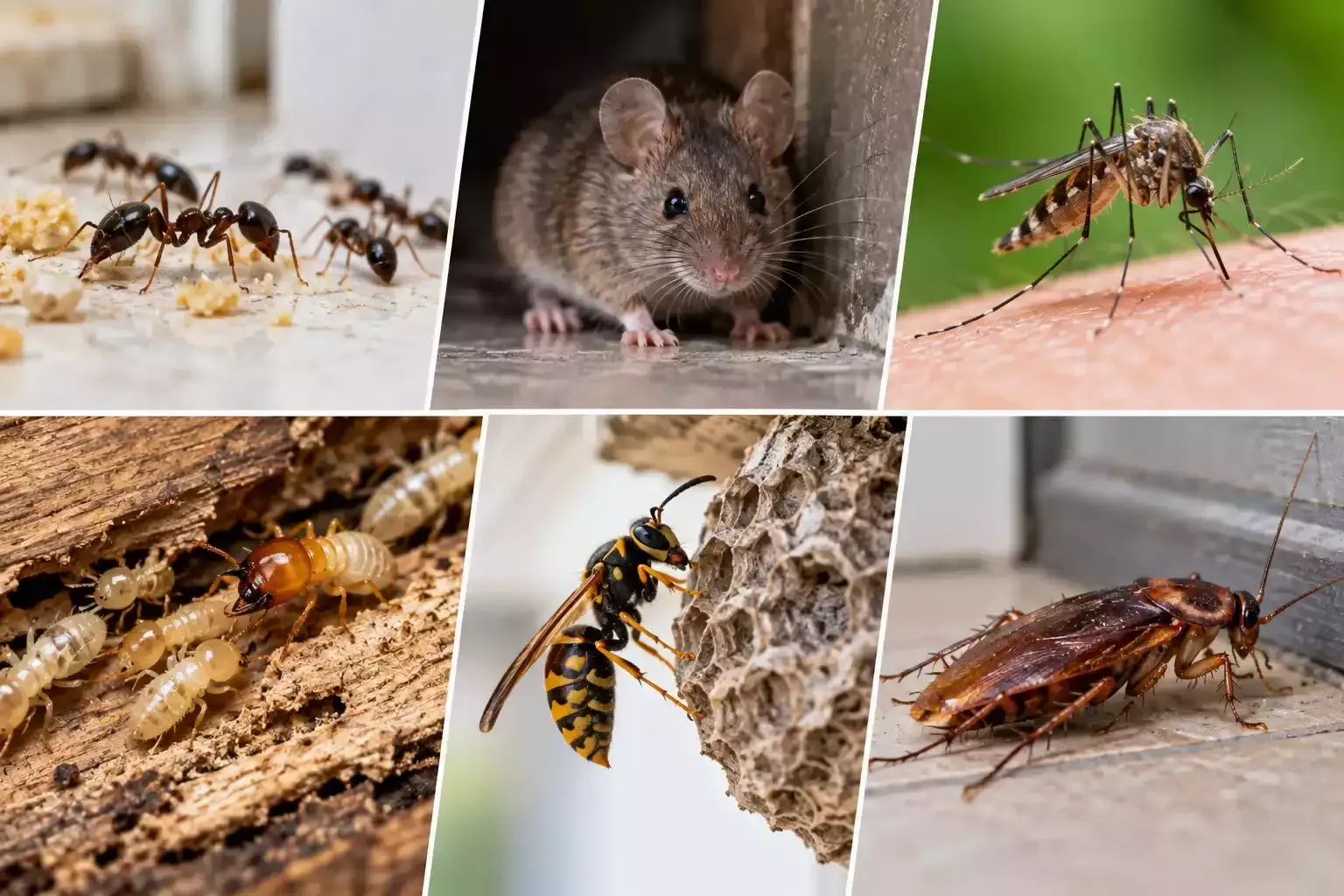
Learn about common pests in Columbus, including ants, rodents, mosquitoes, termites, stinging insects, and bed bugs, plus signs of pest activity.

Found a strange bug, droppings, or other signs of pests? Learn how pest identification can help you determine what it is and what to do next.
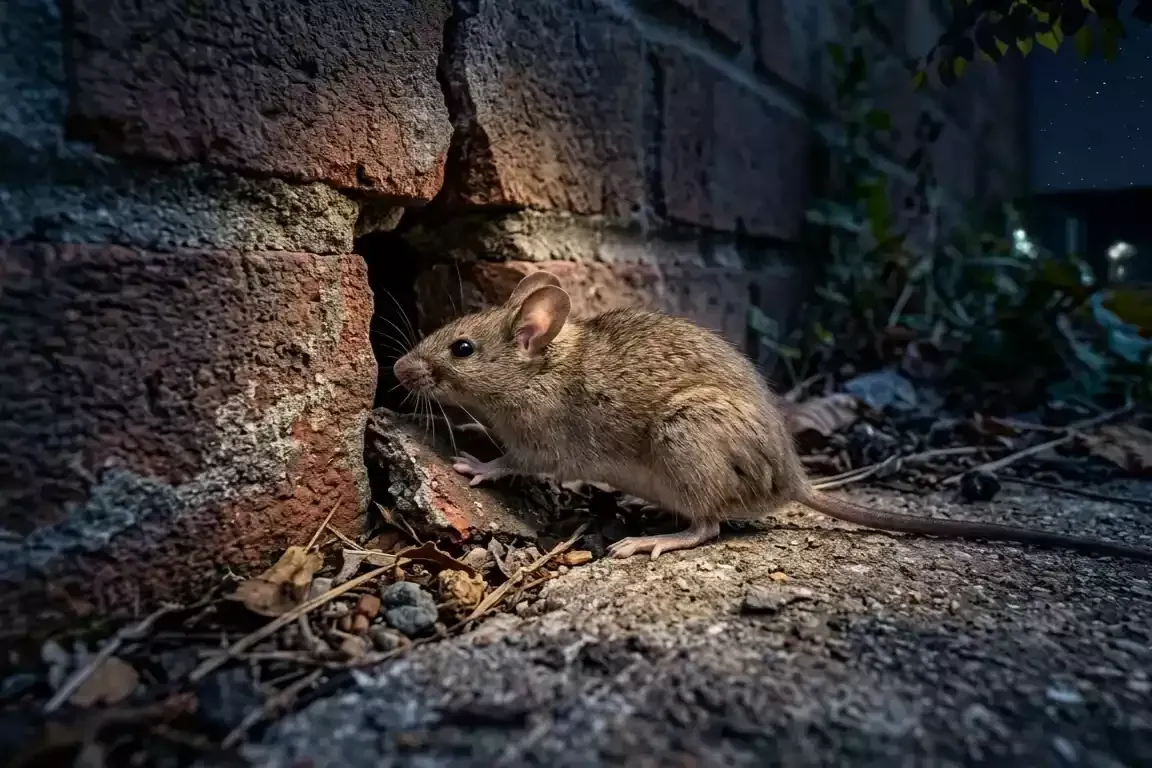
Learn why mice enter homes in the fall, how to spot an infestation, and when to call professionals for reliable mouse control.
Learn which summer pests are most active in Ohio and how to protect your home, yard, and family from seasonal infestations.
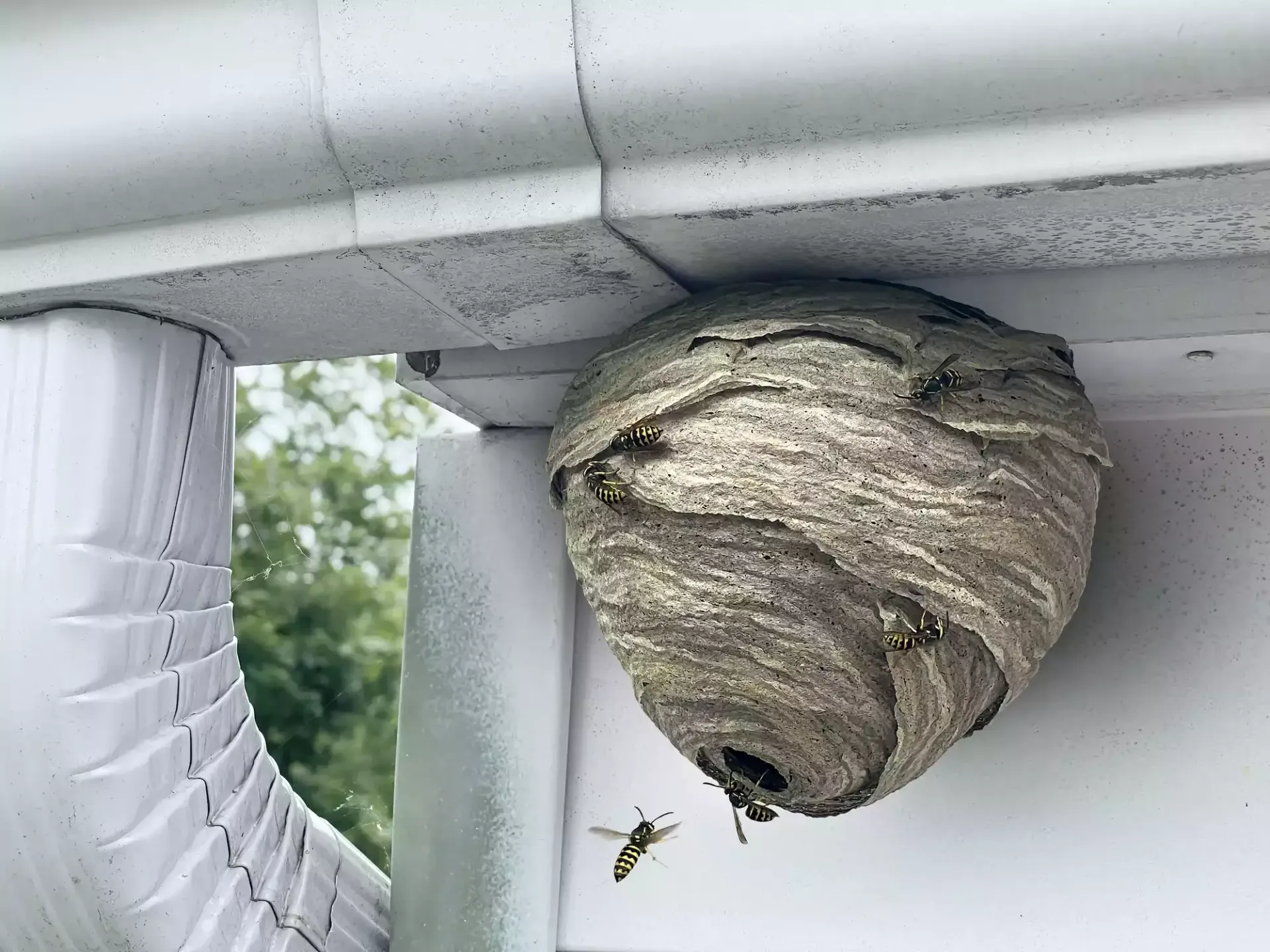
Learn where wasps commonly build nests around Ohio homes and when to call a professional wasp exterminator.
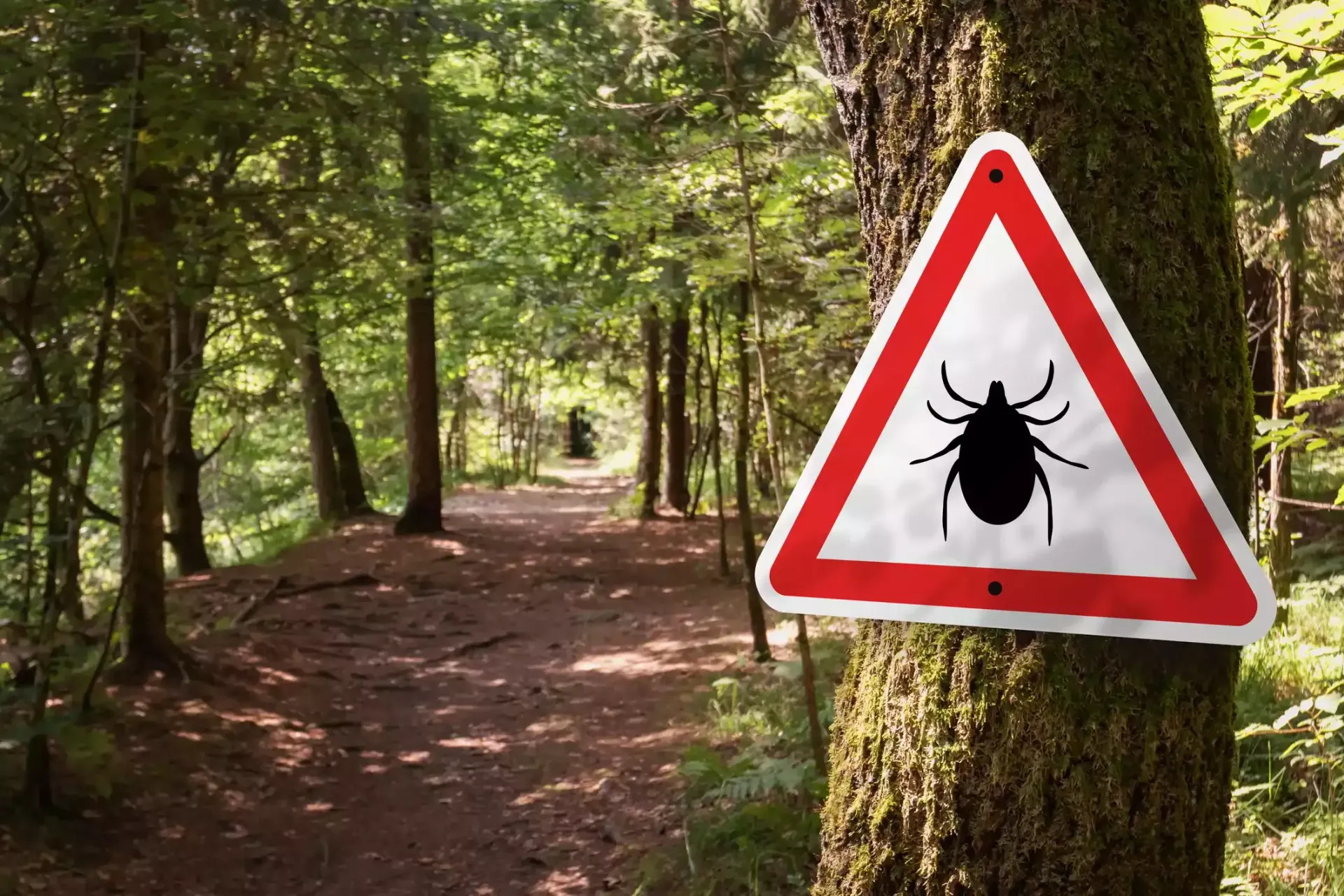
For homeowners and outdoor enthusiasts alike, understanding how to reduce tick encounters is essential to staying healthy throughout the warmer months.
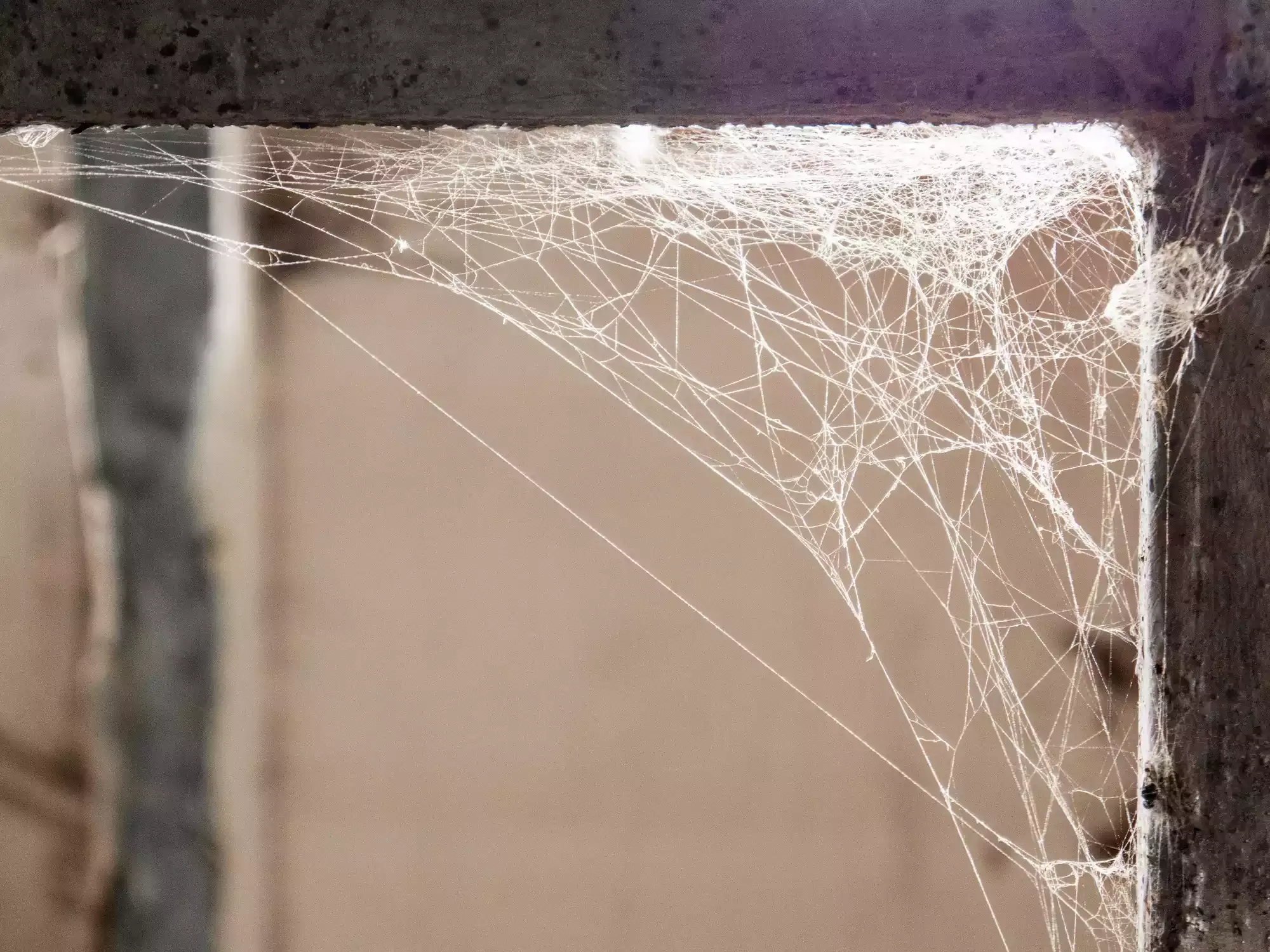
Spider webs don’t have to be a constant nuisance with consistent removal, smart prevention strategies, and support from a trusted pest control provider.
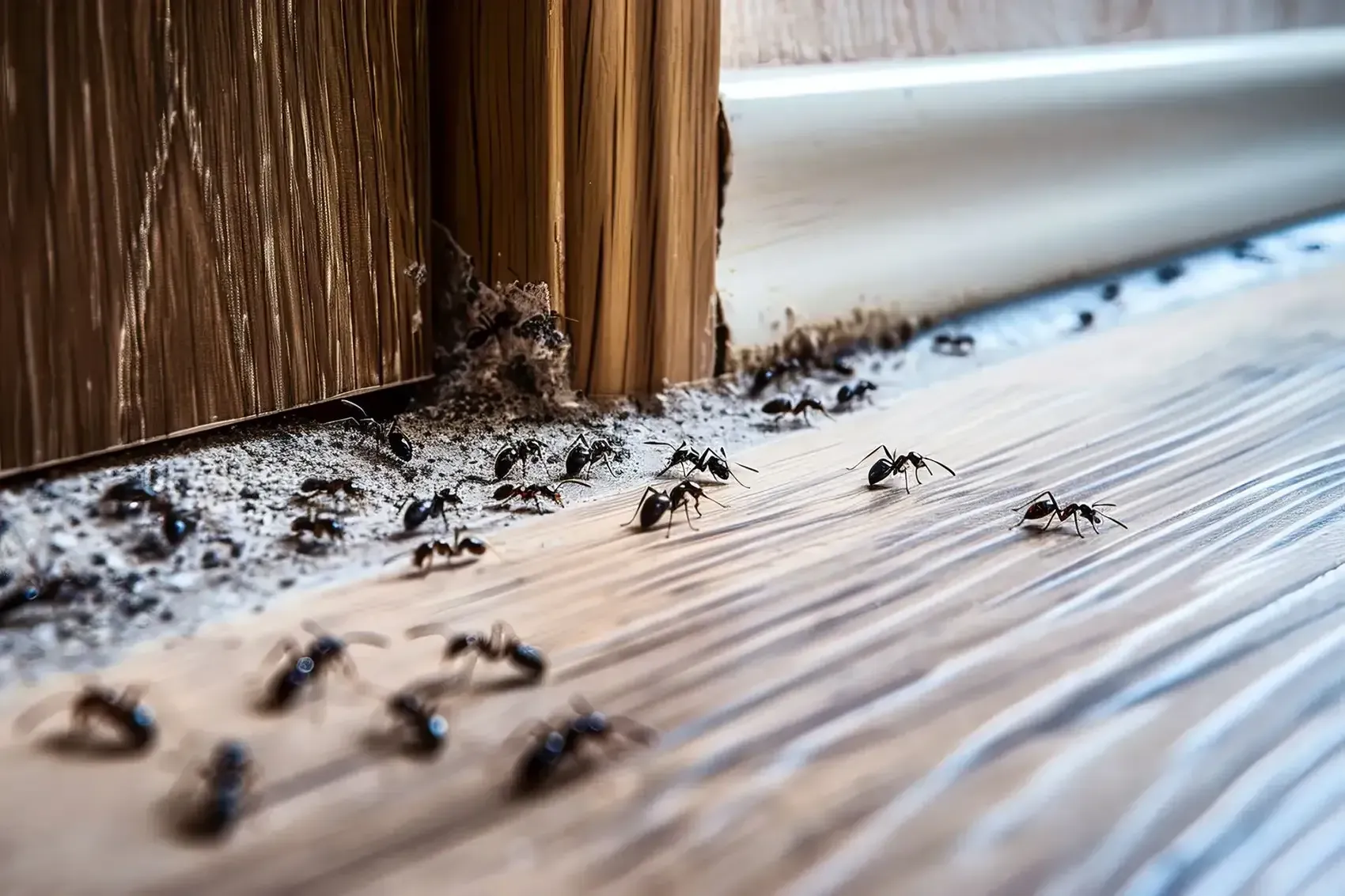
Learn how to get rid of carpenter ants, identify infestations, prevent wood damage, and know when to call a professional exterminator.
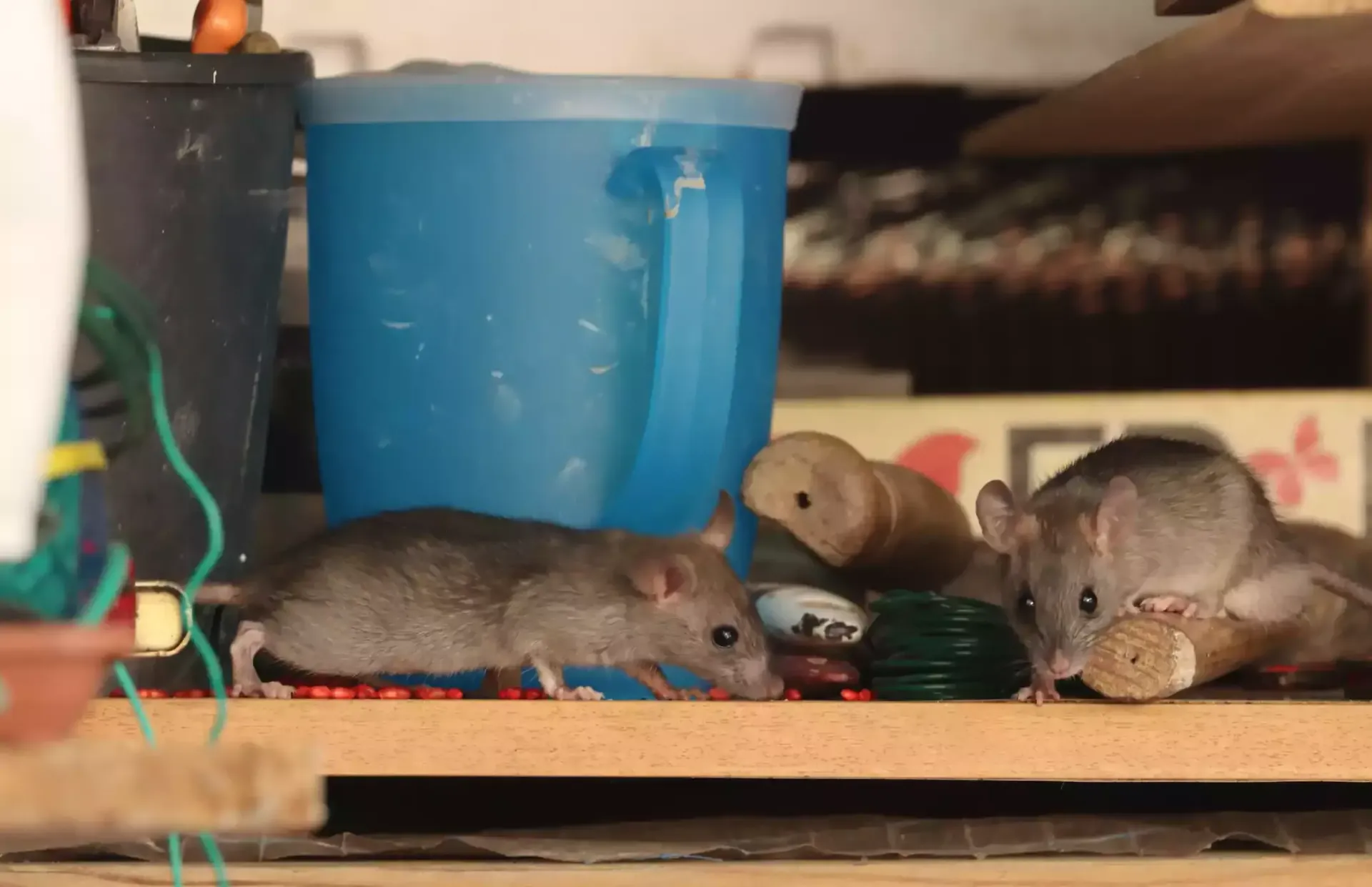
Relying on mice repellent spray can delay proper treatment, giving mice time to reproduce and cause damage, contaminate food, and spread bacteria.
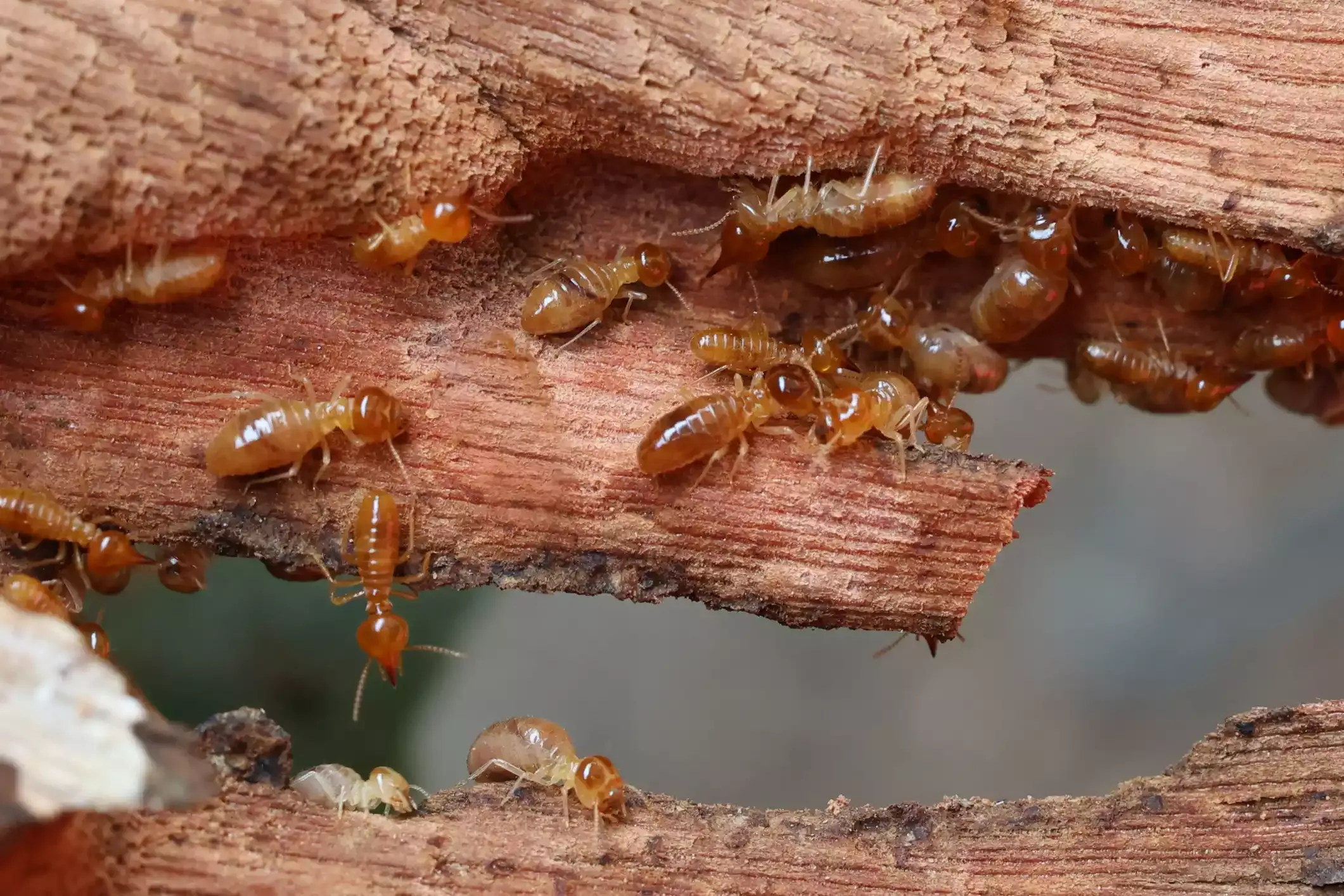
Winter is the perfect time to schedule a seasonal termite check. Protect your home, your investment, and your peace of mind with a professional inspection.