What Does Mouse Poop Look Like? A Columbus Homeowner’s Guide
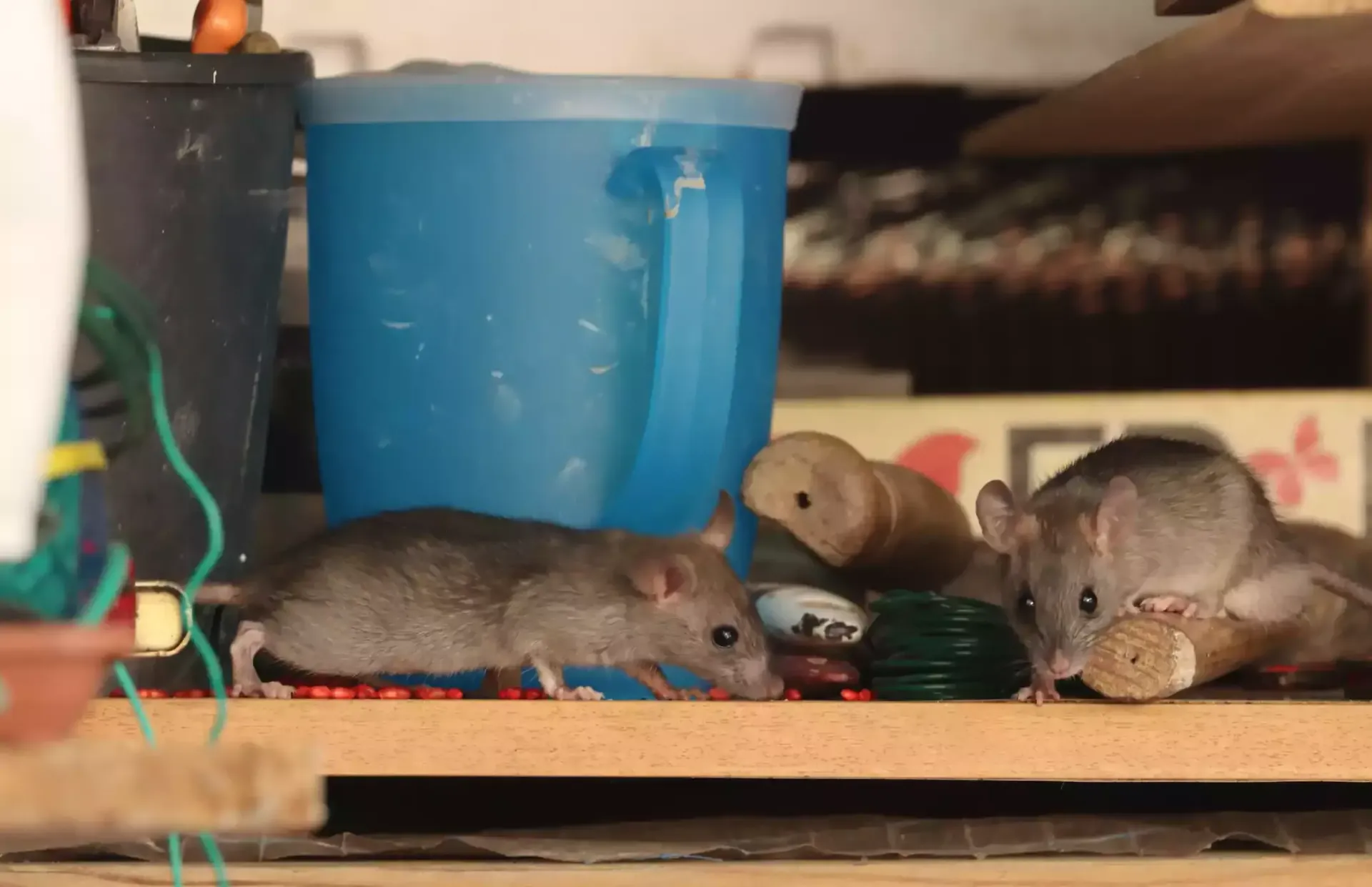
If you suspect mice in your home in Columbus, one of the first signs to look for is their droppings. Mouse poop is a key indicator of an infestation and can help you determine where these unwelcome guests are hiding. Understanding what mouse droppings look like, where to find them, and how to properly clean them up is crucial in keeping your home safe and pest-free. Mice are notorious for sneaking into homes, particularly during colder months, and their droppings are one of the most obvious clues to their presence.
Identifying Mouse Droppings
Mouse poop is small, dark, and pellet-shaped. A typical mouse dropping measures between 1/8 and 1/4 inch in length and has a spindle-like or rod-shaped appearance with pointed ends. The color of fresh droppings is usually dark brown to black, but as they age, they become lighter and may take on a grayish hue. Fresh droppings tend to be soft and moist, while older ones harden and become crumbly over time. If you find an accumulation of fresh mouse droppings, this indicates recent or ongoing rodent activity in your home. Identifying the freshness of droppings can help determine whether the infestation is still active or if the mice may have moved on.
Where to Find Mouse Droppings in Your Home
Since mice are nocturnal creatures that tend to stay hidden, you may not always see them, but their droppings provide clear evidence of their presence. Mouse poop is often found in areas where rodents search for food, build nests, and travel throughout the home. In kitchens and pantries, droppings are commonly discovered near food sources, inside cabinets, behind appliances, and along baseboards. Mice are drawn to dark, cluttered areas, making basements and garages prime locations to find droppings, particularly near storage boxes and along walls where they tend to run. In attics and crawl spaces, droppings may be found near insulation, around nesting materials, and near entry points where the mice have chewed their way in. Utility rooms, including spaces near water heaters, furnaces, and pipes, can also harbor mouse droppings, as these areas often provide warmth and shelter. The more widespread the droppings, the more severe the infestation is likely to be.
Mouse Droppings vs. Other Pests
Not all droppings found in your home belong to mice, so it's important to distinguish them from other common pest droppings. Rat droppings are significantly larger, measuring around 1/2 inch, and have blunt ends rather than the pointed shape of mouse droppings. Cockroach droppings, on the other hand, are much smaller and resemble coffee grounds or black pepper specks. Because they can often be mistaken for dirt or dust, careful inspection is necessary to identify them correctly. Squirrel droppings, another potential source of confusion, are rounder, larger than mouse droppings, and often found outdoors or in attics. Being able to differentiate between various types of pest droppings can help determine the best course of action for pest control.
Health Risks of Mouse Poop
Mouse droppings are more than just an unpleasant sight; they can pose health risks to you and your family in severe infestations. Mice are known carriers of bacteria, viruses, and parasites that can be transmitted through their feces. Most homes in Ohio at one point or another have had mice inside whether in living areas or attics. Being aware and taking precaution if mice are in your home is important to not allow an infestation to become severe. Severe infestations can lead to hantavirus, which is a respiratory illness contracted by inhaling infected rodent fecal matter. Although rodent fecal poses a threat of hantavirus, the likelihood of contracting this is low as, according to the CDC there are only about 35 cases reported every year in the U.S. In addition, mouse droppings can carry salmonella, which can contaminate food surfaces. Ensuring that countertops and areas where food and tableware are stored are cleaned and sanitized after rodent fecal is found is important to reducing the spread of rodent borne illness to humans. Given these risks, proper handling and disposal of mouse droppings are critical to maintaining a healthy home environment.
What to Do If You Find Mouse Droppings
Discovering mouse droppings in your Columbus home requires immediate attention to prevent the infestation from proliferating. Before cleaning up droppings, always wear protective gear such as gloves and a mask to avoid direct exposure. It is recommended to ventilate the area by opening windows to improve airflow and reduce airborne particles. To properly clean up mouse droppings, spray them with a disinfectant or a mixture of bleach and water before wiping them up. Never sweep or vacuum droppings, as this can cause harmful particles to become airborne. After cleaning, dispose of the droppings in a sealed plastic bag and immediately wash your hands thoroughly. Finding mouse droppings in your home is a sign of an active infestation requiring professional pest control services may to fully resolve the issue.
Get Expert Mouse Control in Columbus, Ohio
Finding mouse droppings in your home is a strong indication that rodents have taken up residence in your space. While DIY cleanup can help address the immediate problem, a professional pest control service can provide a comprehensive solution to eliminate the infestation and prevent future occurrences. At Restoration Pest Management, we specialize in effective rodent control in Columbus, Ohio. Our expert team will conduct a thorough inspection and implement customized treatment plans to eliminate mice from your home. Don't let a mouse problem compromise your family's health and safety. Contact us today for a free inspection and let us help you take back control of your home with reliable and effective pest management solutions.