Why Do We Lose It Over Roaches
January 27, 2020
Entomophobia (also referred to as insectophobia), is the fear of insects. This is a relatively common fear in the western part of the world, especially in urban areas that provide a more attractive habitat for bugs. What is it about bugs, and specifically cockroaches, that freaks us out so badly? To answer that question, we need to take a look at our own evolution and how it's hardwired our brains to react to certain stimuli.
Hardwired Reflexes
Fear and disgust are the two strongest and most universally negative human emotions. Both have developed in the oldest part of our brains to identify threats and help keep us alive.
Fear
We assign diverse levels of fear response to different situations or items, based on the threat they appear to present.
That's why we cringe at the sight of a big, winged palmetto bug, but not a puppy.
Disgust
Our disgust response is equally compelling, warning us of potential disease or contamination. The sight and smells of decay, dead animals, and fecal matter are among the strongest disgust responses. Creatures like rats, mice, and roaches trigger this same response.
Nurture
(the combination of environment and learned behavior) can build atop these foundational instincts, as well. A small child seeing a parent scream in fear, run away, or smash a cockroach (all reactions outside the norm of the parent's behavior, and signaling danger) will associate the same fear and loathing to cockroaches. It's not just kids that are susceptible to this type of conditioning, either. What percentage of the population do you suppose had an aversion to clowns prior to "IT," the bestselling novel and movie by Stephen King?
The roaches oily, greasy appearance, ureic smell, and chosen habitats (dark, dank, & dirty) are all conditions that our brains are wired to be wary of. Then there's their speed. Anything that can move faster than we can, will trigger the fear response due to our ancestor's need to outrun hungry predators.
Cockroaches can travel over 3 miles per hour. Relative to their size, that's the equivalent to a human sprint of 200 mph. In other words, the speed of a cheetah. Let's face it; fast zombies are scarier than slow zombies. And while, of course, a charging cockroach does not present the same threat as a charging cheetah (or a zombie for that matter), our hardwired instincts don't work that way. Instead, they keep a remarkably simple rating system: "safe" or "dangerous," and then assigning a level of response based upon that judgment.
Fear of Contamination
The base fear behind most insect fears is that of contamination and sickness. Cockroaches
are incredibly filthy. Not only do they harbor disease-producing pathogens but, given their environment, they carry a wide variety of bacteria on their feet, legs, and bodies. The same can be said for a kitten, by the way, but again, our hardwiring rates them as "soft and adorable" and not "disgusting and dangerous." Roaches can cause or exacerbate many diseases, including:
- Typhoid
- Dysentery
- Polio
- Salmonella
- Staphylococcus
- Streptococcus
- Eczema
- Asthma
Cockroaches could destroy food stores, too, which would have been another cause of revulsion to our ancestors, who often faced starvation in winter if their food supplies ran short. Add to this the roach's "sneaky" behavior and desire to avoid detection even as it creeps into our most personal spaces.
Cockroach Facts
- They can live for more than a week without their heads, and eventually die only because they have no other means of ingesting water.
- Cockroaches have around 4,600 sub-species.
- They are known to carry allergens that will cause problems people living with asthma.
- Roaches are transporters of bacteria across all surfaces they touch.
- Most people have an adverse reaction towards cockroaches because of their size, armored-body look, and shiftiness of movement.
- Roaches mate only once but will produce 300-400 offspring from that mating, each of which will be ready to reproduce in only 3-4 months and can live up to 4 years. This is the main reason why it's so important to contact a professional exterminator as soon as you see or suspect the beginning of an infestation.
- Cockroaches have been around since the dawn of man. They have adapted to the planet's many changes and are likely the most repulsed creature around the globe.
Insects have always spread disease and destroyed property. Those who lacked a sense of caution towards them, tended to sicken and die off, leaving the people that feared them to dominate the gene pool and, hence, we've evolved to avoid most creepy-crawlies automatically…like cockroaches.
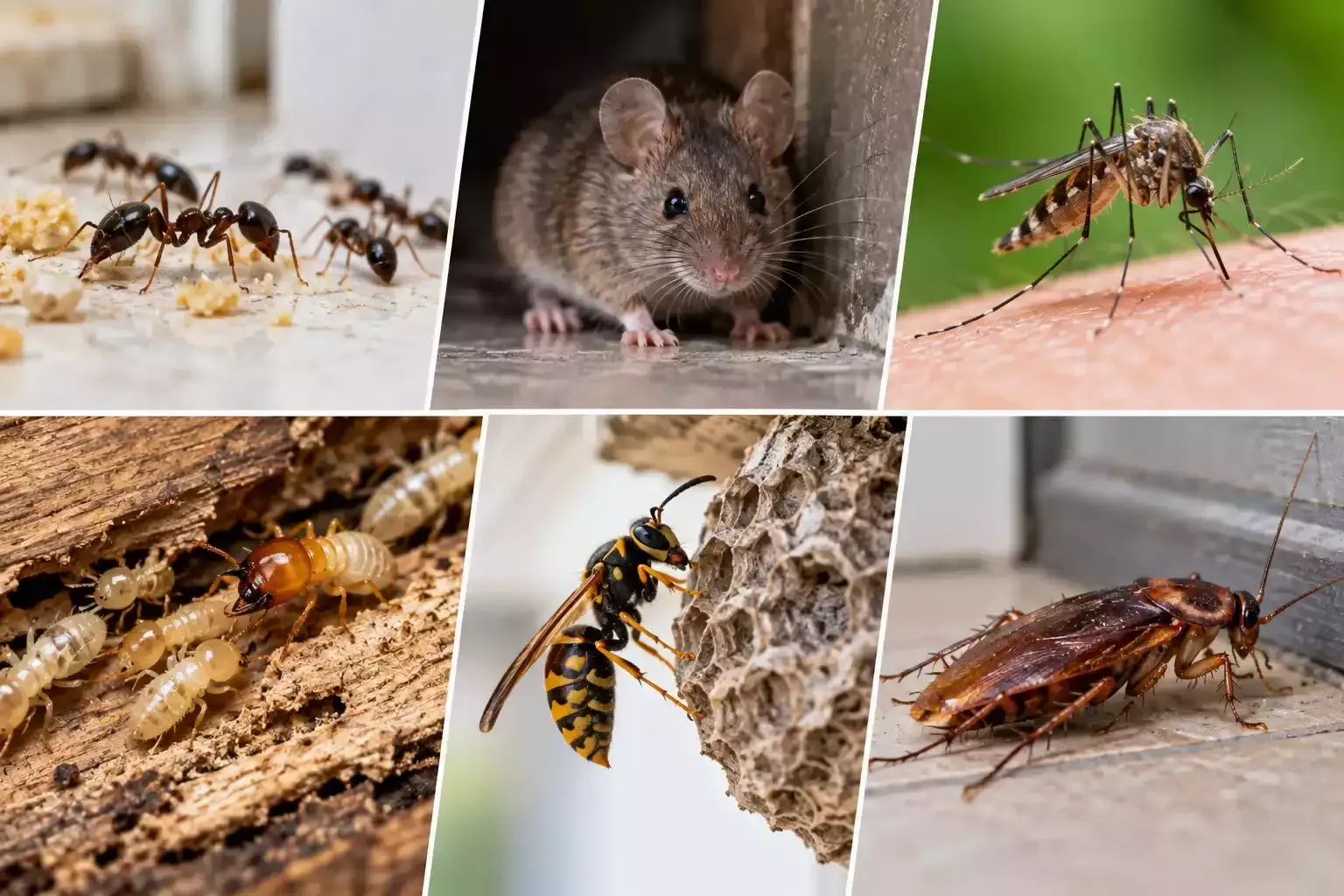
Learn about common pests in Columbus, including ants, rodents, mosquitoes, termites, stinging insects, and bed bugs, plus signs of pest activity.

Found a strange bug, droppings, or other signs of pests? Learn how pest identification can help you determine what it is and what to do next.
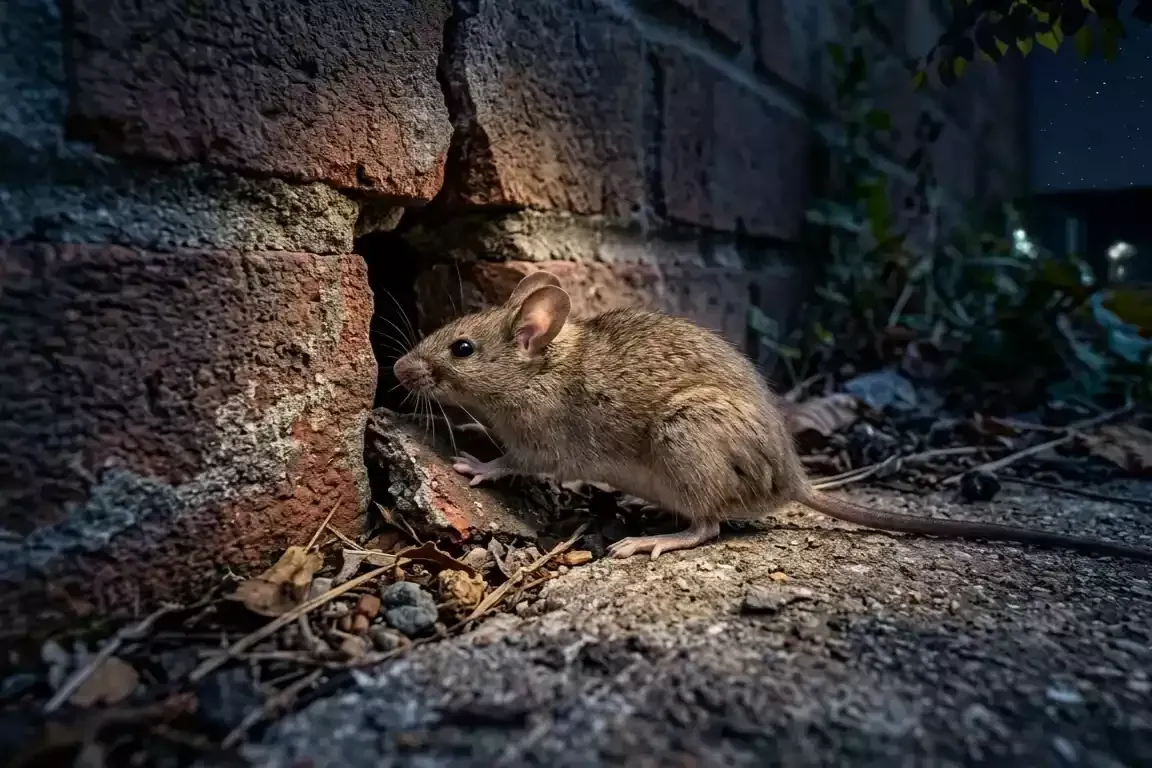
Learn why mice enter homes in the fall, how to spot an infestation, and when to call professionals for reliable mouse control.
Learn which summer pests are most active in Ohio and how to protect your home, yard, and family from seasonal infestations.
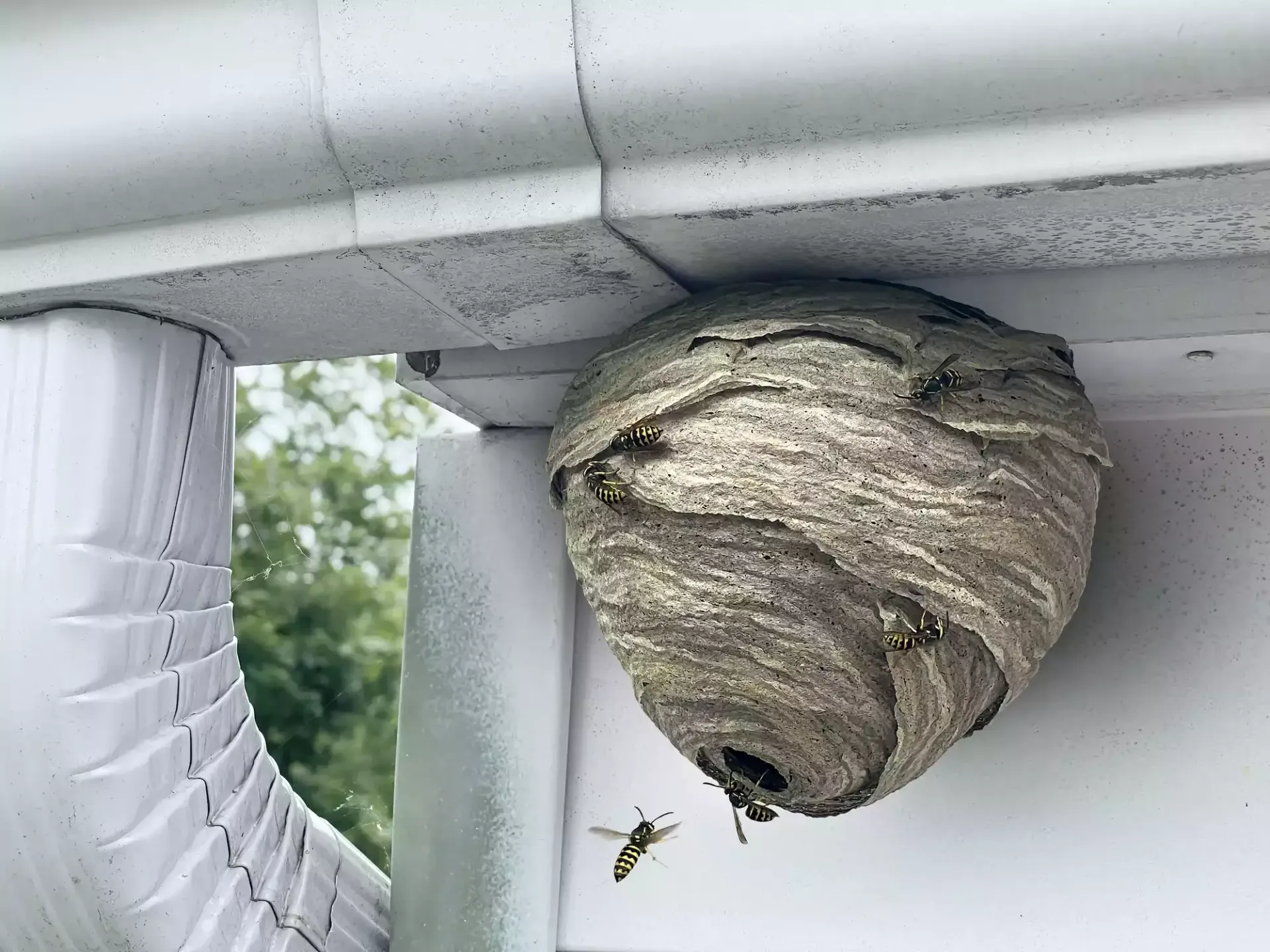
Learn where wasps commonly build nests around Ohio homes and when to call a professional wasp exterminator.
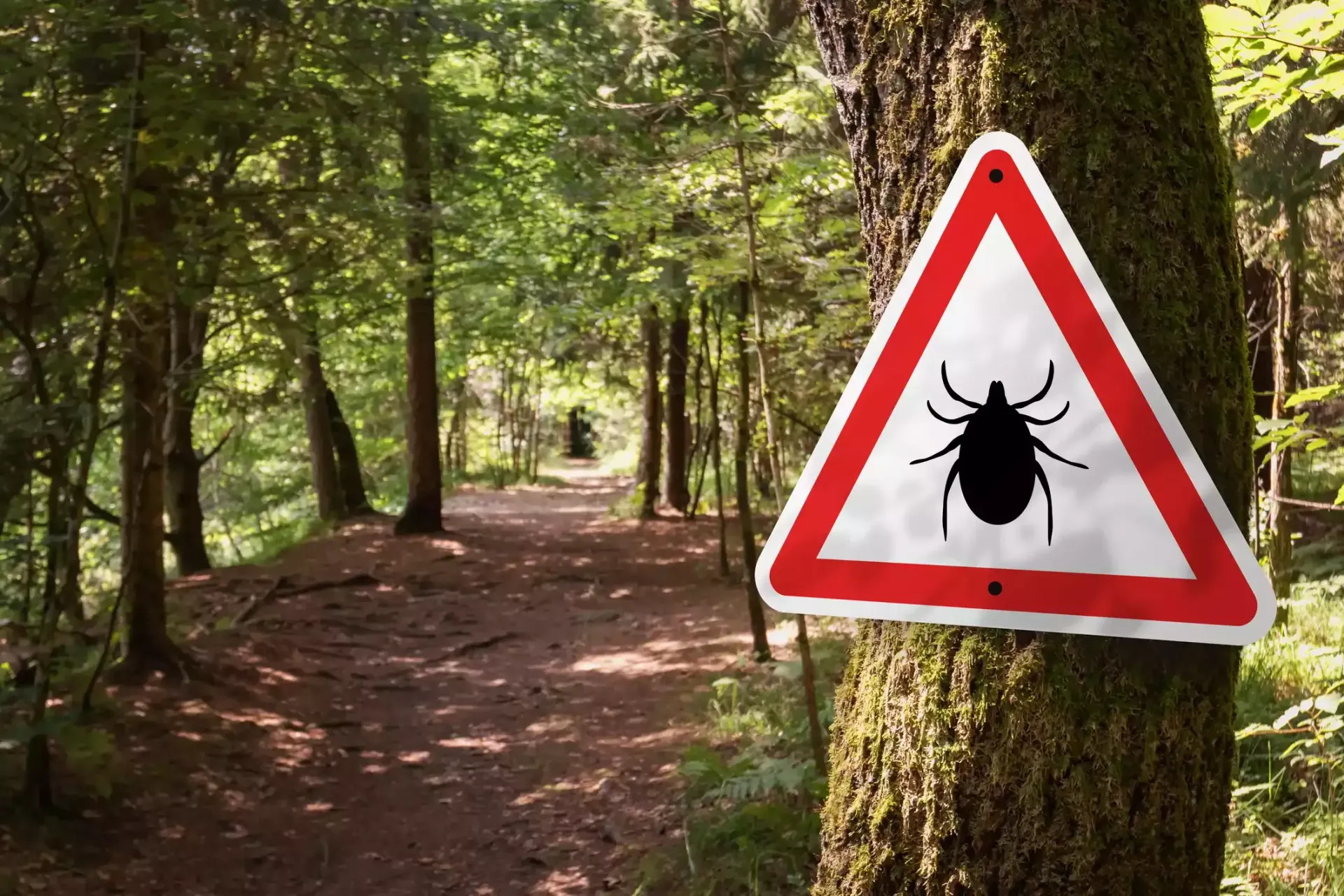
For homeowners and outdoor enthusiasts alike, understanding how to reduce tick encounters is essential to staying healthy throughout the warmer months.
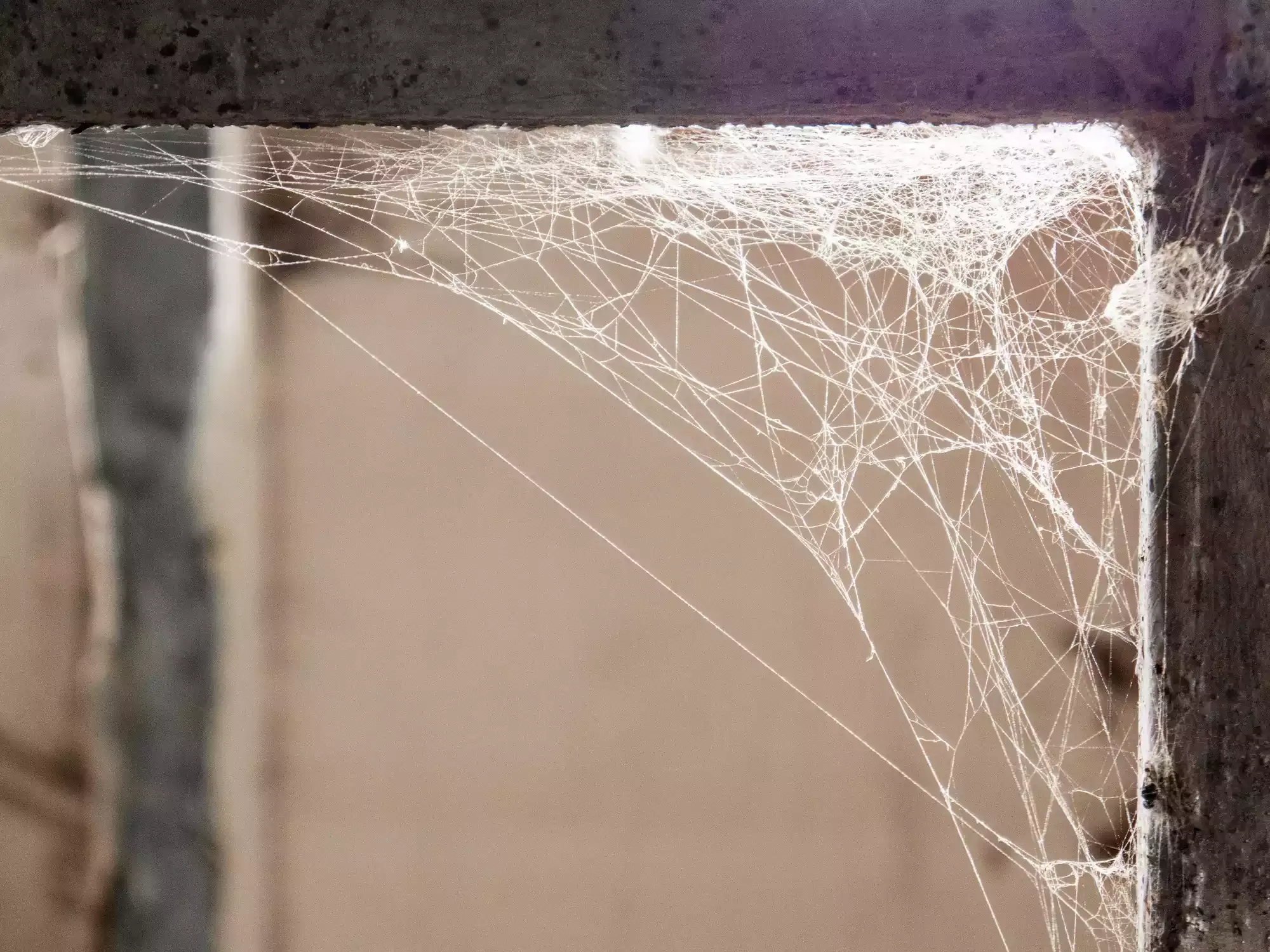
Spider webs don’t have to be a constant nuisance with consistent removal, smart prevention strategies, and support from a trusted pest control provider.
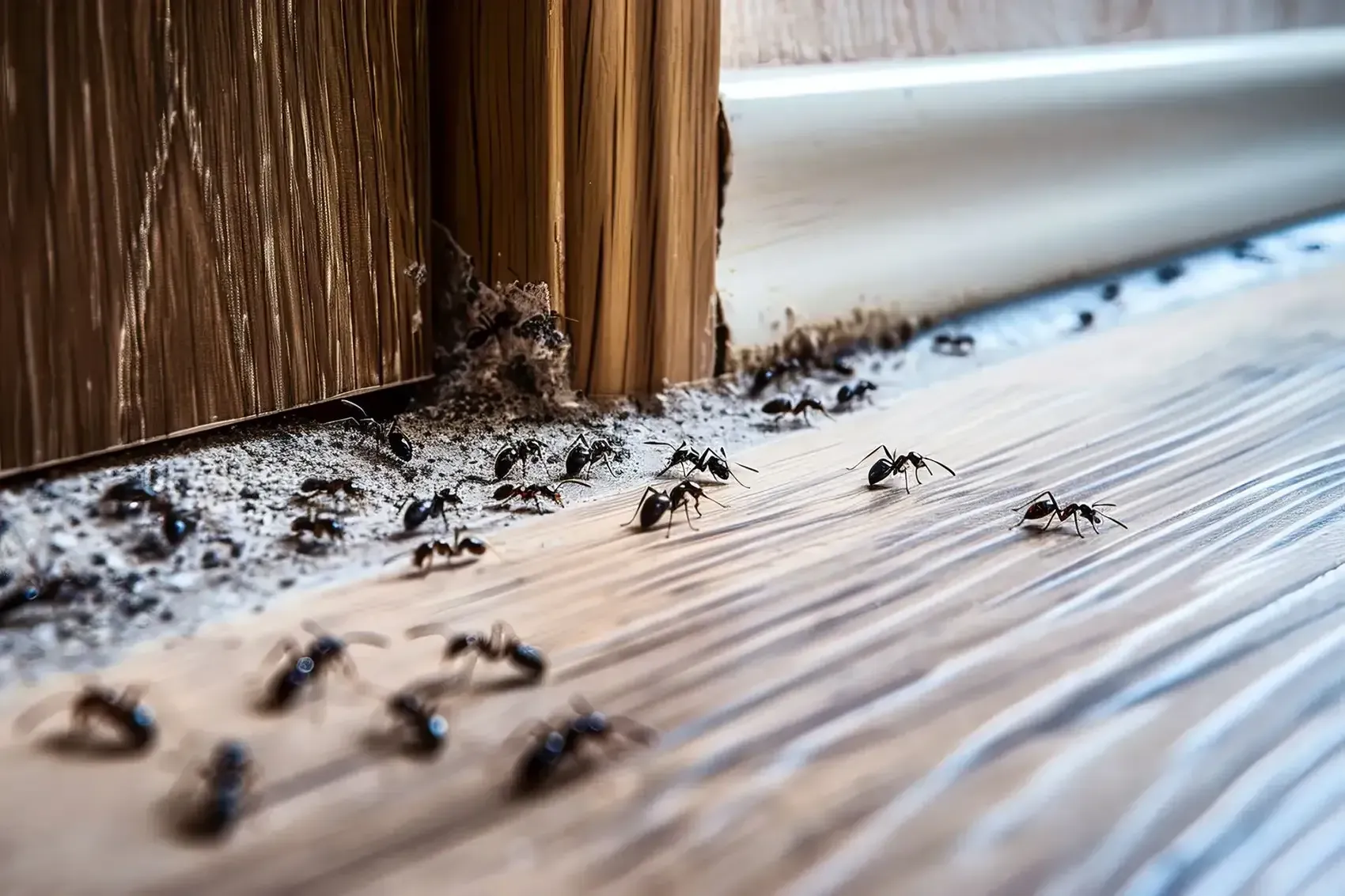
Learn how to get rid of carpenter ants, identify infestations, prevent wood damage, and know when to call a professional exterminator.
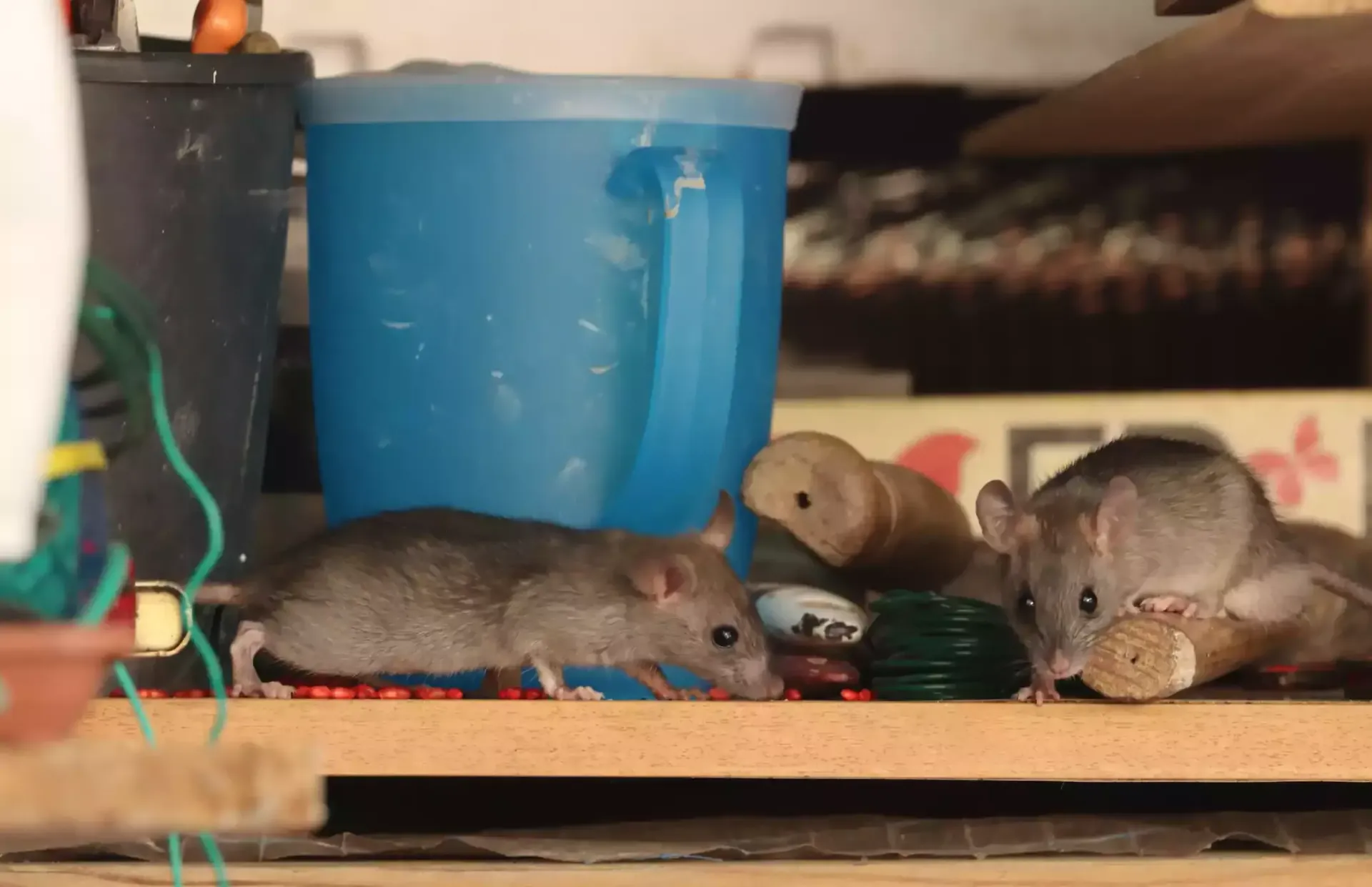
Relying on mice repellent spray can delay proper treatment, giving mice time to reproduce and cause damage, contaminate food, and spread bacteria.
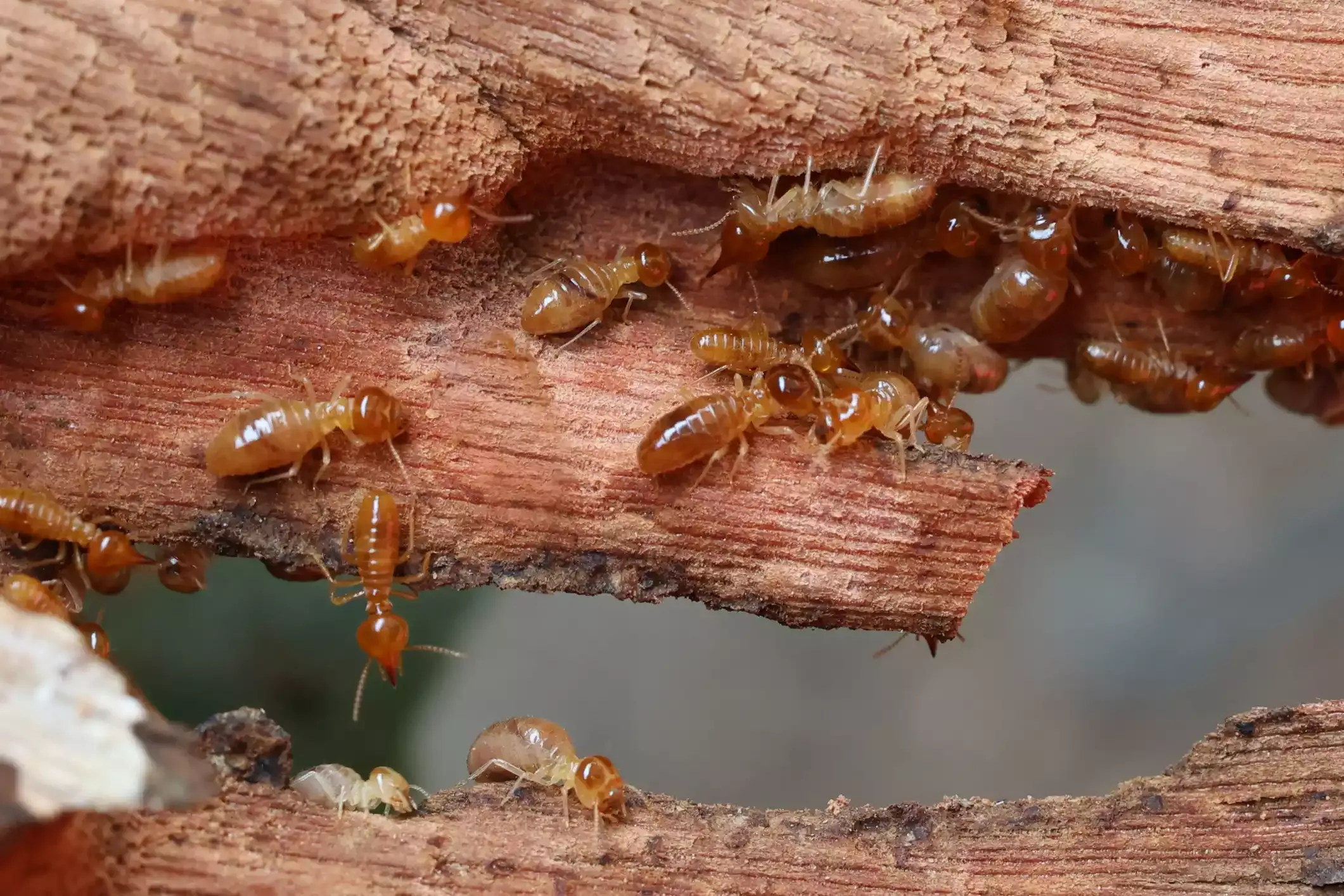
Winter is the perfect time to schedule a seasonal termite check. Protect your home, your investment, and your peace of mind with a professional inspection.