Swarm Season
February 28, 2020
Are Those Termites Flying Around Your Property?
As the most destructive type of insect found in Columbus and across Ohio, termites cause great concern for many residential and commercial property owners. The most common and harmful types of termites are Subterranean. They build their colonies underground near their preferred food sources -- trees and various kinds of wooden structures, including homes and commercial buildings. Living and working underground, Subterranean Termites are not customarily seen above ground, even when they have established large colonies. However, they are usually on the search for new food sources and suitable places to form new colonies, and during “swarm season,” they will fly around above ground looking for areas for expansion. What And When Is The Termite Swarm Season?
The swarm season typically runs from late February or early March through May. When the weather starts to warm up, and the soil is moist, termites will leave their established colonies to search for locations for new colonies. There are specialized termites from a mature colony that are winged. Visible flying termites during swarm season may be venturing out from a colony near your property, or they could be coming from one that already has access to your buildings. Even though the swarming termites are visible, they are only a part of the functioning colony. Many worker termites remain underground to feed and develop the existing colony at all times.
Swarmer termites, or alates, take to the air in search of a favorable location for a new colony, and they mate while swarming. After mating, they lose their wings and begin looking for moist soil that is loose enough to burrow into. Without moist soil, the termites will soon dry out and die above ground. Once a group of termites has dug deep enough to begin a new colony, a female will transform into a queen for the new colony and start laying eggs in high volume, as many as 20,000 in a day. It may take up to five years for the new colony to mature into a fully developed termite home, but as long as wood is available, the they are likely to make the space a permanent home.
Are Those Termites Or Ants?
Some species of ants have wings and also swarm in ways similar to termite swarming behavior. While ants are often pests in and around all types of buildings, for the most part, they do not cause the same kind of structural damage as termites. Carpenter Ants will tunnel through wood, but they do not eat wood as termites do.
Ants are also likely to be seen flying around at times of the year outside of the narrow termite swarm season. Even though termites are usually only visible above ground during their swarm season, they are always hard at work underground feeding on structural wood and keeping their existing colonies growing.
Flying ants and termites both have four wings, although the shapes are noticeably different. Termites have four equally sized wings, while ants will have larger wings upfront with a smaller rear pair. Termites have straight antennae, and those of ants are angled more sharply. Ant wings are usually about the same size as their bodies, while termite wings extend out about twice as long as their main body. Ants have narrow waists and termites have more cylinder-shaped bodies.
Whether you are experiencing swarming termites or flying ants, the potential for damage from infestation is significant. If the insects flying around your property are present during termite swarm season and appear to be termites rather than ants, you should have your property and the flying insects inspected immediately. Depending on the results of a professional inspection. Whether termites are swarming from existing colonies or are looking to set up new living quarters near your buildings, treatment plans can differ significantly. As always, the key to effective control and protecting your building is eliminating any existing colonization and excluding any termites from using your wooden structures as a food source in the future.
Rely on Restoration Pest Management for fast and accurate species identification and a comprehensive recommendation for controlling and excluding whatever kinds of bugs you might be having trouble with. We are the leading pest control provider for Columbus, and our customer service is second to none. Contact us today for further information and assistance with insects spotted during the swarm season.
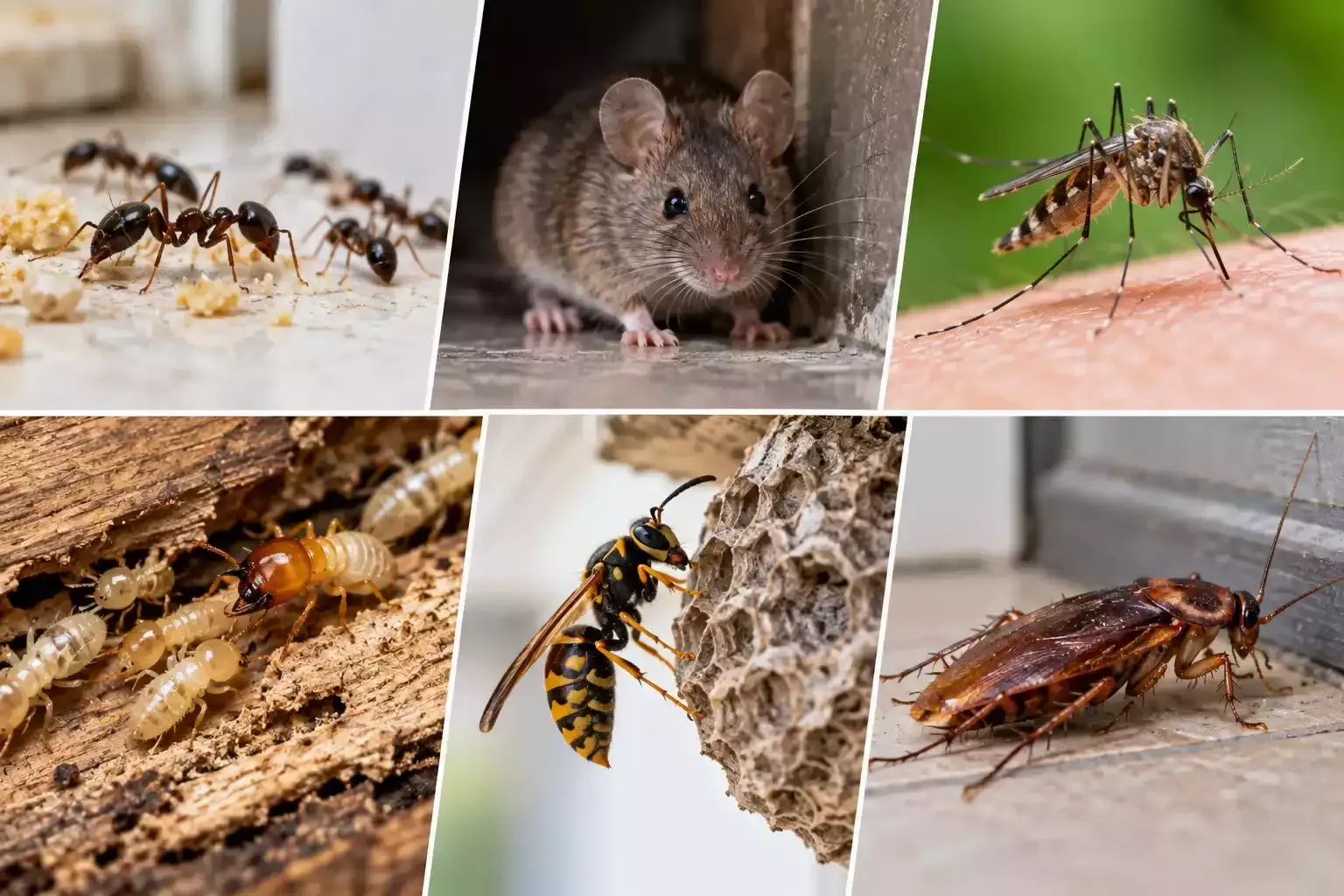
Learn about common pests in Columbus, including ants, rodents, mosquitoes, termites, stinging insects, and bed bugs, plus signs of pest activity.

Found a strange bug, droppings, or other signs of pests? Learn how pest identification can help you determine what it is and what to do next.
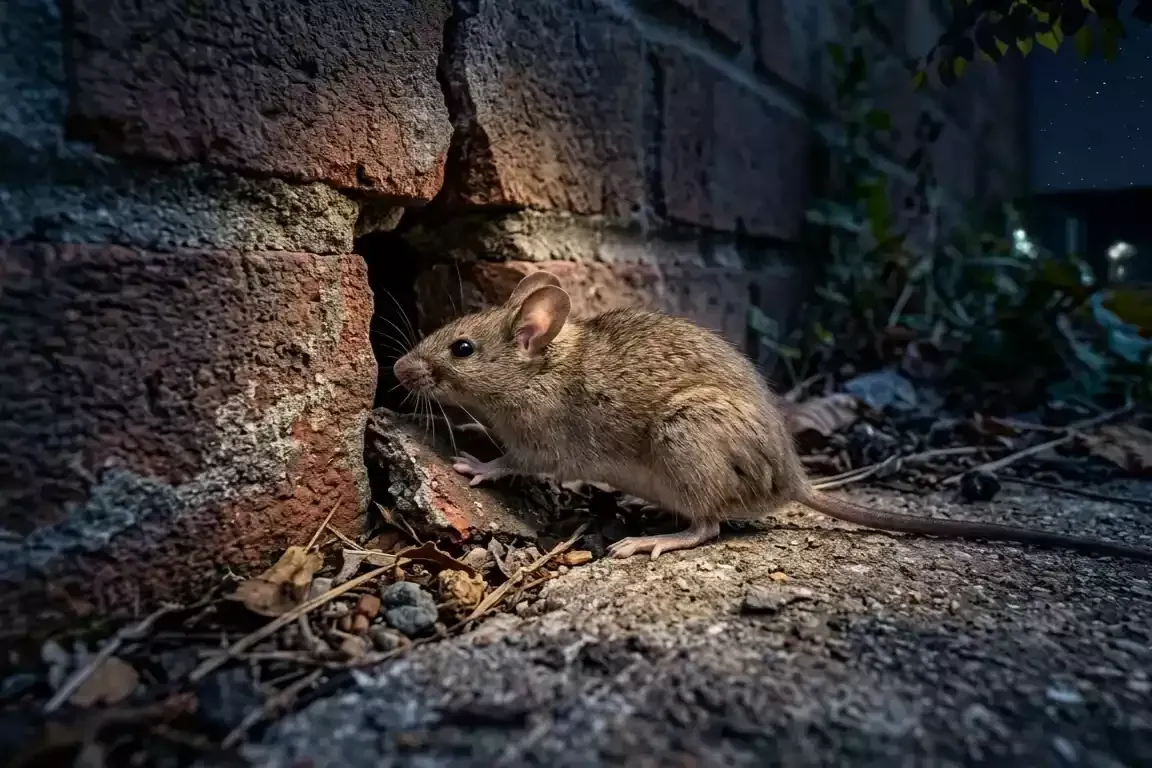
Learn why mice enter homes in the fall, how to spot an infestation, and when to call professionals for reliable mouse control.
Learn which summer pests are most active in Ohio and how to protect your home, yard, and family from seasonal infestations.
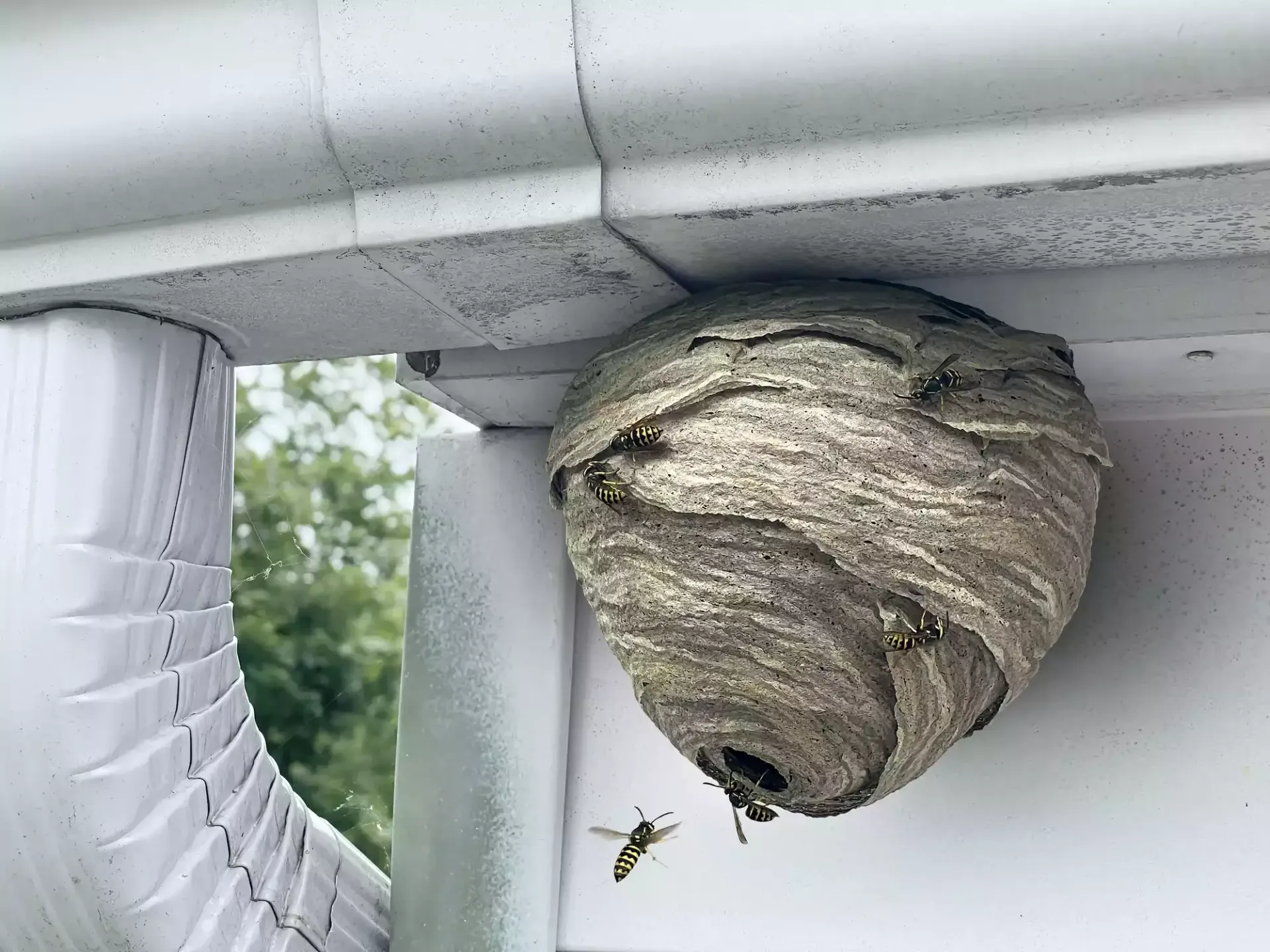
Learn where wasps commonly build nests around Ohio homes and when to call a professional wasp exterminator.
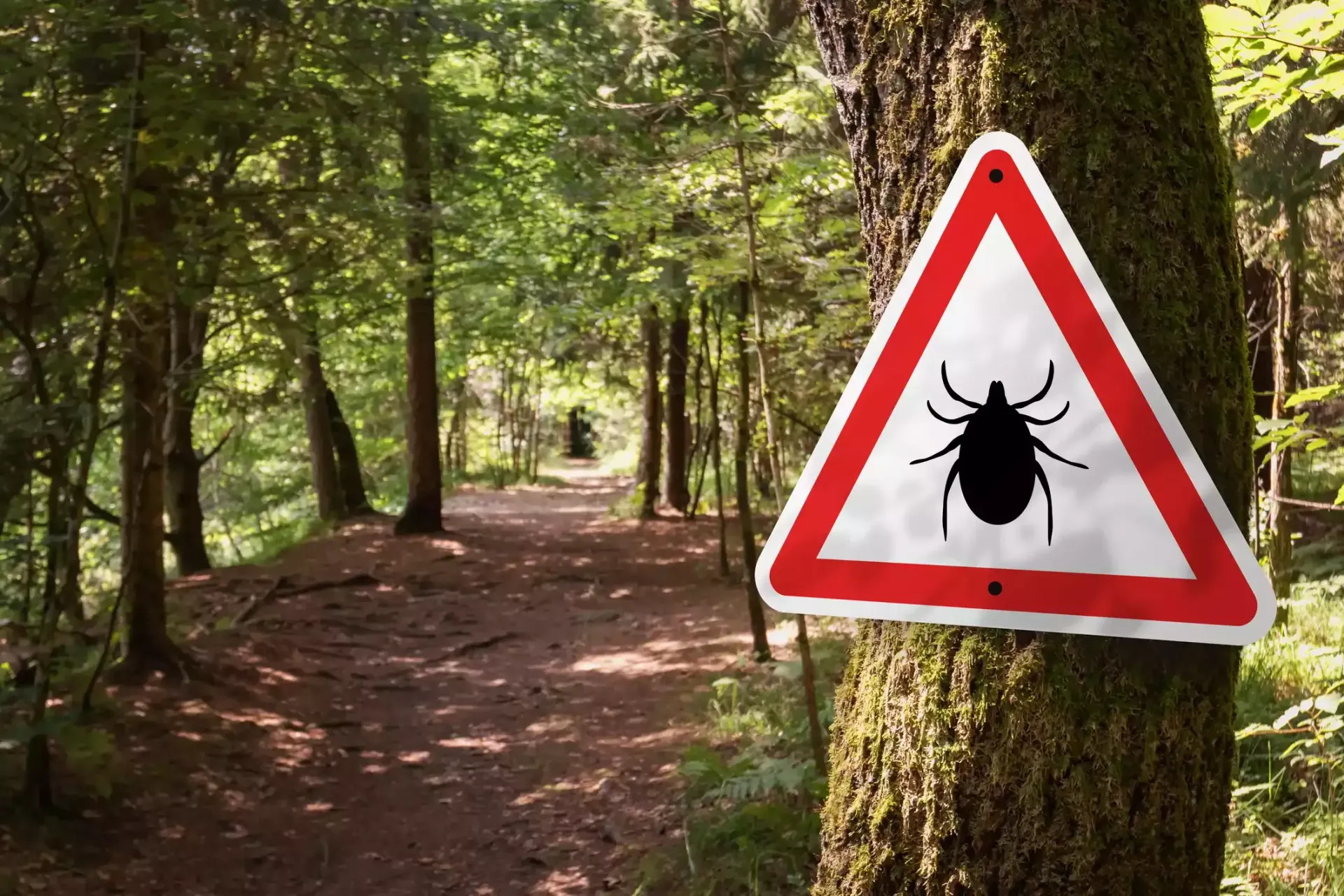
For homeowners and outdoor enthusiasts alike, understanding how to reduce tick encounters is essential to staying healthy throughout the warmer months.
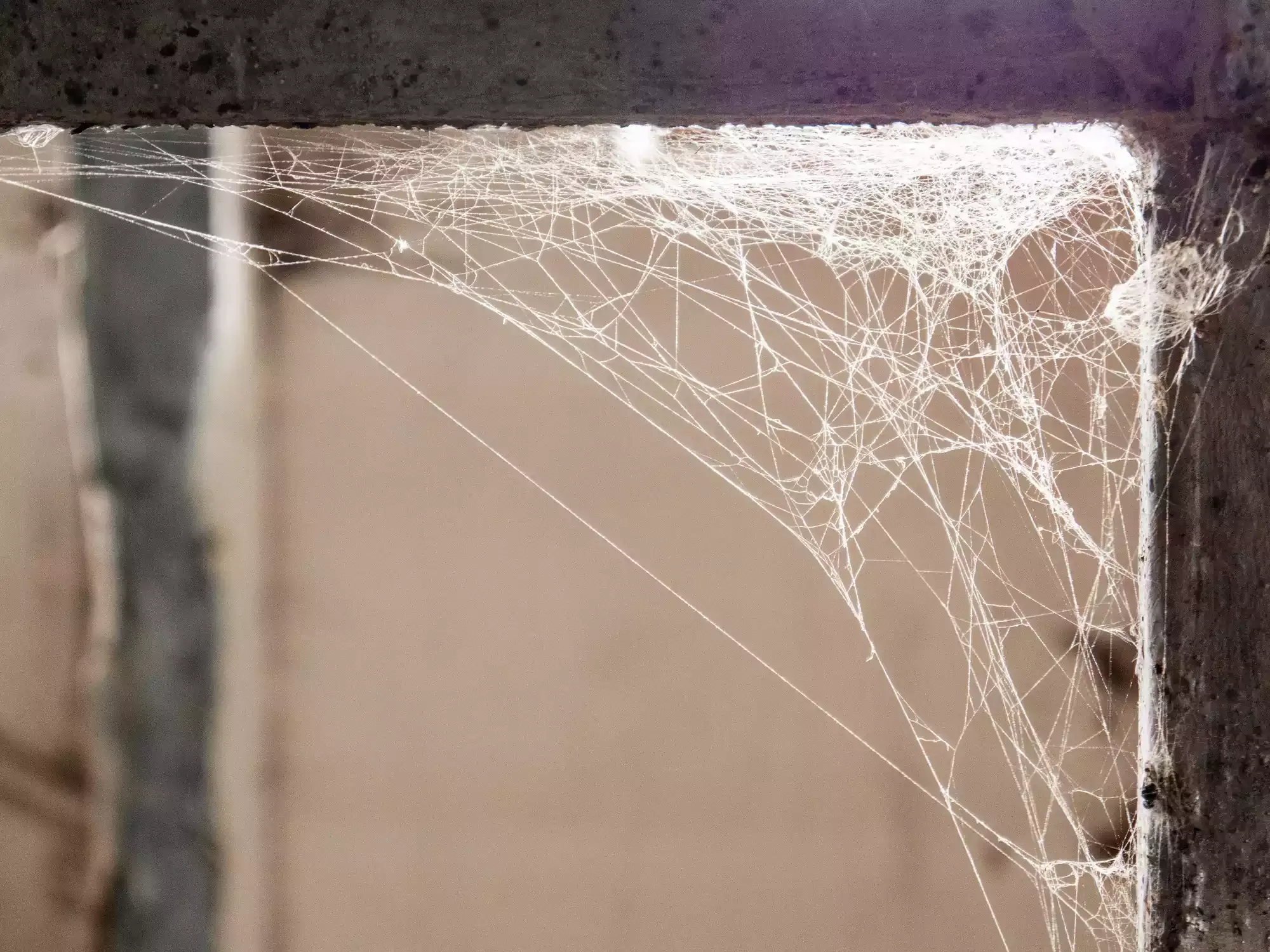
Spider webs don’t have to be a constant nuisance with consistent removal, smart prevention strategies, and support from a trusted pest control provider.
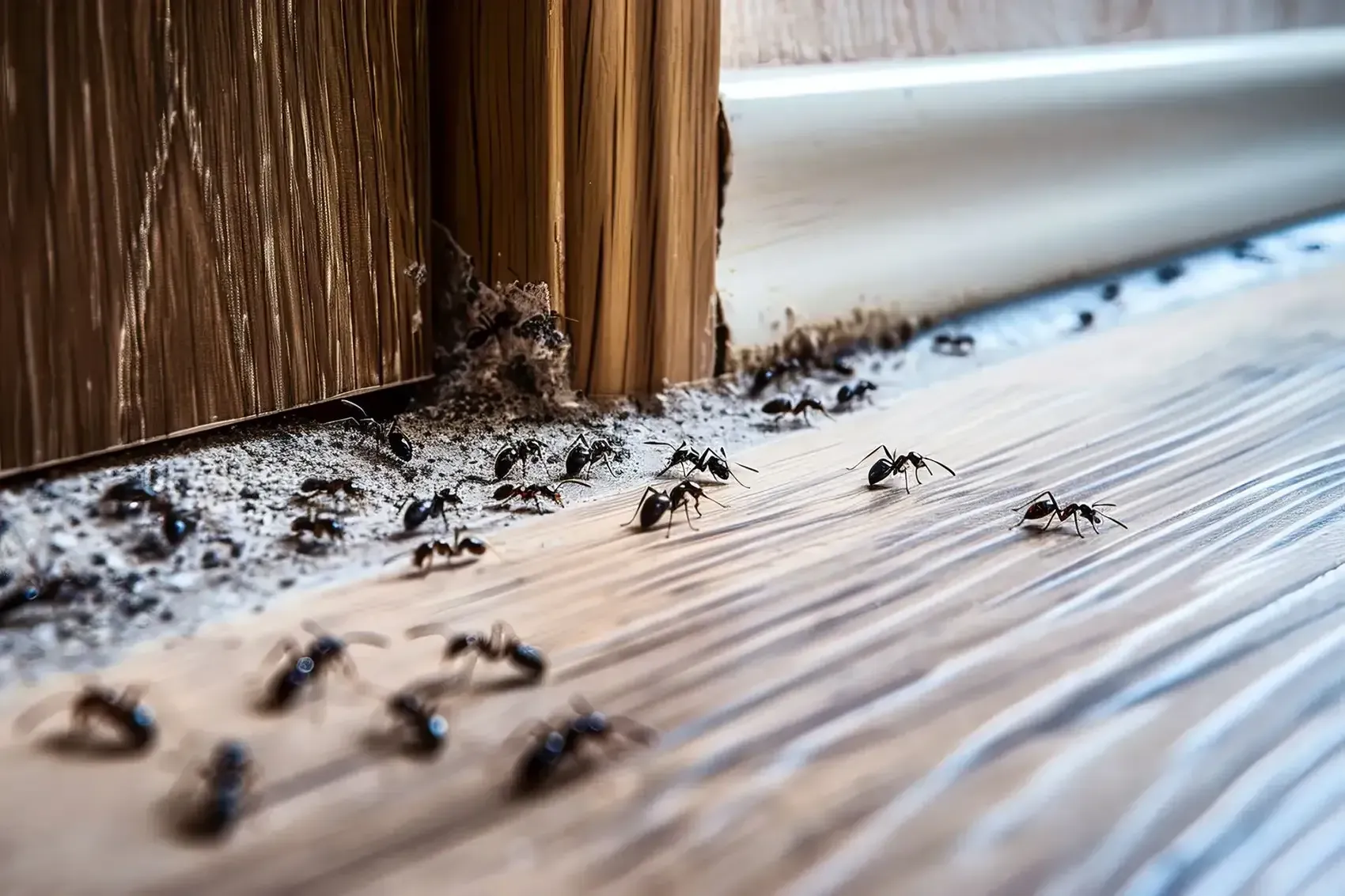
Learn how to get rid of carpenter ants, identify infestations, prevent wood damage, and know when to call a professional exterminator.
Relying on mice repellent spray can delay proper treatment, giving mice time to reproduce and cause damage, contaminate food, and spread bacteria.
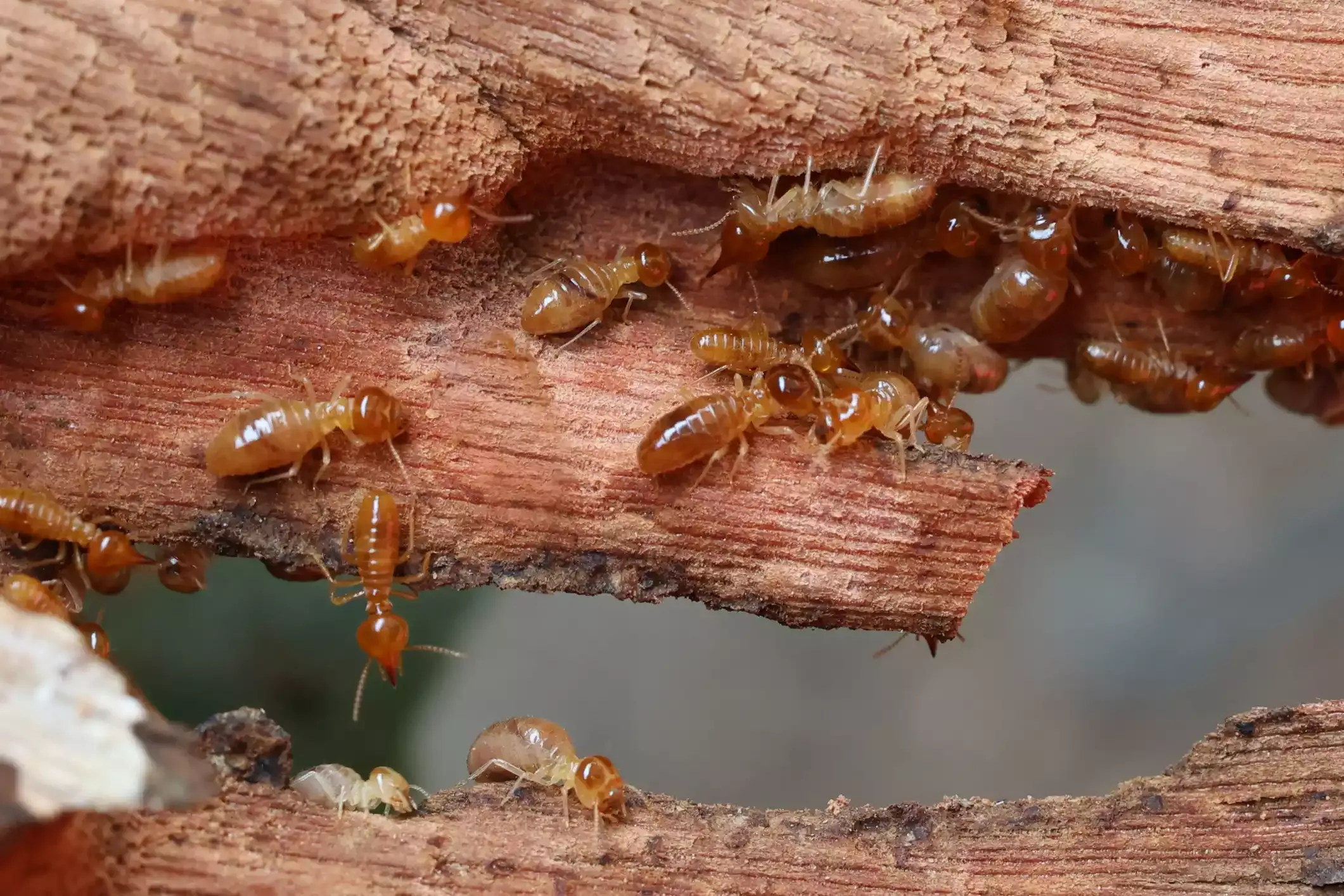
Winter is the perfect time to schedule a seasonal termite check. Protect your home, your investment, and your peace of mind with a professional inspection.